History
Queens’ Federation: History Subject Statement
Intent
At the Queens’ Federation we aim to foster ‘Learning for Life.’
We will provide a rich, relevant and inspirational curriculum that promotes a lifelong love of learning and equips our pupils with the key knowledge and understanding, skills and personal qualities that they will need to thrive in a rapidly changing world. Our curriculum is designed to be relevant to our children and is linked to the context of our school and the local community.
At the Queens’ Federation, our high-quality, creative history curriculum aims to inspire a curiosity and fascination about the past. Pupils will develop a well-rounded knowledge about the past and its events, will be able to make links between topics studied and will understand how the past has shaped our lives today.
Implementation
Our history curriculum develops both historical skills and knowledge. Pupils have opportunities to investigate and interpret the past, understand chronology and communicate historically. Our curriculum is organised chronologically enabling pupils to be able to draw comparisons and connections between different time periods and their own lives. We aim to enable our pupils to build an overview of local history, the wider local community, Britain’s past and the past of the wider world.
Our history curriculum is enriched through the use of hands-on experiences, school-based historical events, visits to places of significance in the local area, trips to museums and sites of historical relevance and presentations by visitors. All of these activities provide our pupils with the opportunity to acquire new knowledge and understanding and to develop skills which can be utilised within their learning at the Queen’s Federation. The curriculum is enriched, wherever possible, through links to learning in other curriculum areas such as geography and english.
We view assessment as a holistic process, which takes place in every lesson through observation of, in questioning and in conversation with pupils and in the production of written outcomes. History assessment criteria set out the key knowledge and skills that a pupil should achieve at the end of each unit of work.
Impact
Our curriculum aims to ensure that pupils leave the Queens’ Federation with a coherent knowledge and understanding of Britain’s past and that of the wider world. Pupils will be equipped with historical skills and knowledge and will be curious to know more about the past. Pupil outcomes evidence a broad and balanced history curriculum and at the end of each year, pupils achieve age related expectations and retain the knowledge and skills learnt from each unit of work.
Yearly Overview
Foundation Stage
Children in the Foundation stage will follow the Early Learning Goals, in which ‘History’ is covered in the Understanding of the World area of learning.
From Year 1 to Year 6
All children will follow the National Curriculum programmes of study, which are divided into Key Stage 1 and Key Stage 2. These are then divided into areas of knowledge, skills and understanding. The table below shows when History is taught at Queen Edith and the topics within which it appears.
| Autumn | Spring | Summer | |
|---|---|---|---|
| Nursery | Within Nursery, children learn about History through ‘Understanding the World’. They begin to make sense of their own life-story and their family’s history, through discussions, images and shared memories. | ||
| Reception |
Within Reception, children learn about History through ‘Understanding the world’. Children start to learn about changes within living memory and changes beyond living memory by looking at past and present events within their own life involving family and friends. As well as making comparisons between the past and present, for example modes of transport and electricity. Children have the opportunities to share stories, participate in role play and explore artefacts to learn about the past. |
||
| Year 1 | History of toys: Changes within living memory: Look at contemporary toys and study toys parents, grandparents and even great-grandparents may have played with. Look at similarities and differences and identify changes in materials and technology. Set up a toy museum. | Castles: Discover the castles around the British Isles. Find out about the most splendid castles and their locations around the UK, exploring their different architecture. | |
| Year 2 | The Body Machine: Finding out about significant individuals e.g. Florence Nightingale. | Fire and Ice: Historical periods within (just!) and beyond living memory: the Great Fire of London, Carlos Gatti, Shackleton. | Around the World :Historical explorers, inventors & crusaders, e.g. Captain Cook and the Wright brothers. |
| Year 3 | Ancient Greeks: A study of Greek life and achievements, and their influence on the Western world. | Pirates: A history of seafaring and pirates. | Stone Age to Iron Age: Changes in Britain during this period, including Iron Age hill forts such as Wandlebury. |
| Year 4 | Explorers: | The Romans: The Roman Empire and its impact on Britain. Invasion, conquest and resistance. | Travel to the Golden Age: Early Islamic civilisation, including a study of Baghdad c. AD 900. A non-European society providing contrast with British history. |
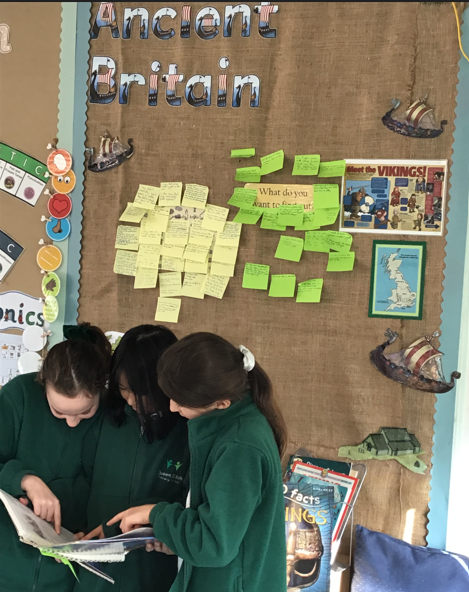
| Year 5 | Ancient Egyptians: Investigating what it was like to live in Egypt during the time of mummies, ancient gods and pyramids. Children will also take part in an Ancient Egyptian Day. | Anglo Saxons and Vikings: Investigating what it was like to live in Britain between the Stone Age and Iron Age. As part of this, the children will go on an educational visit to West Stow where they will experience what life was like in an Anglo-Saxon village. | |
| Year 6 | World War 2: and the impact on Britain. Investigating the poignant events throughout the war and how life in Britain changed during and after the end of the war. | Cambridge University: A walking tour, the history and some of its famous alumni. | |
The History curriculum as outlined above is often taught in a cross curricular way. For example, the Greek topic in Year 3 will make meaningful links to other areas of the curriculum such as Art, DT, English and Science.
For more information please click on the link to view our History Policy on our Policies page.
Examples Of Learning:
Academic Year 2025-2026
Nursery -Bumblebee class
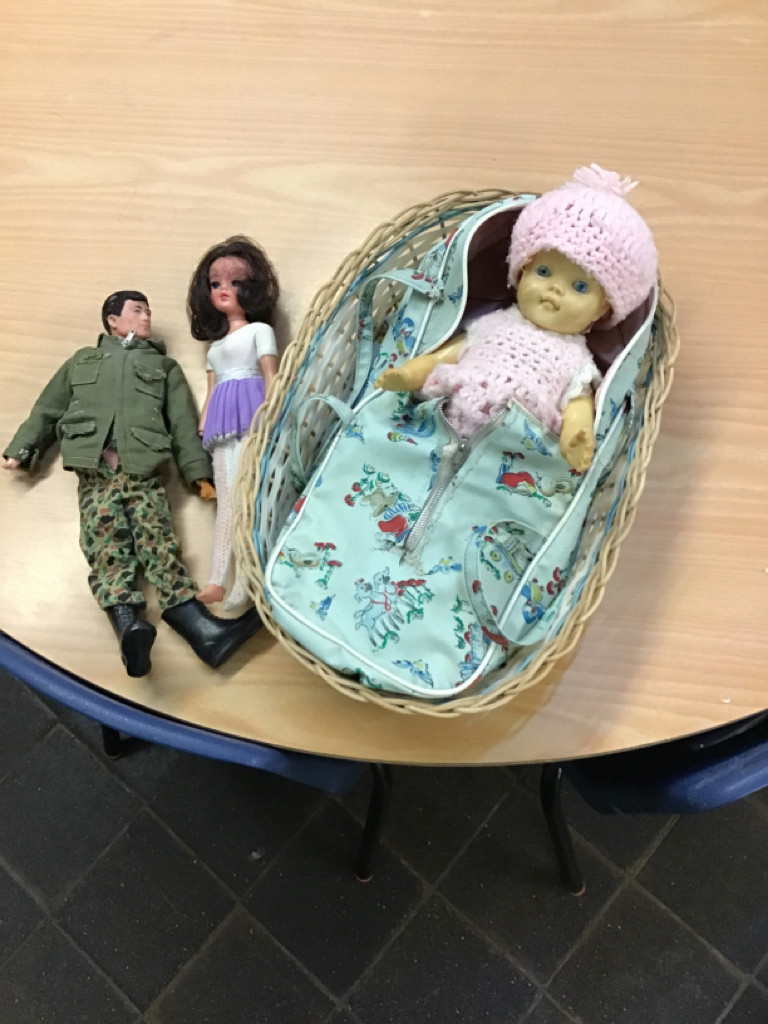
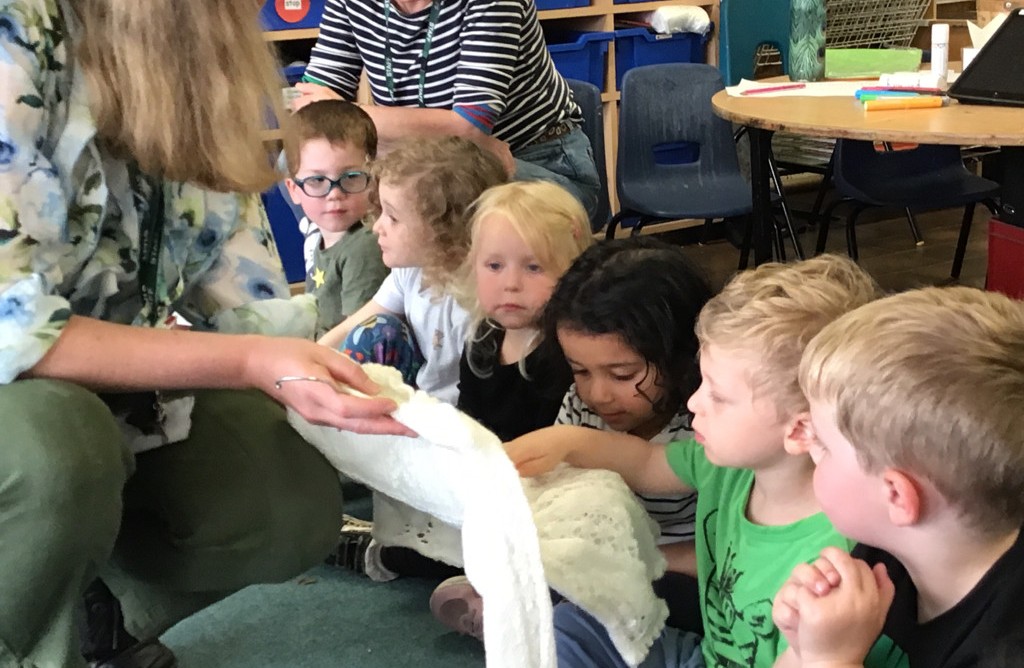
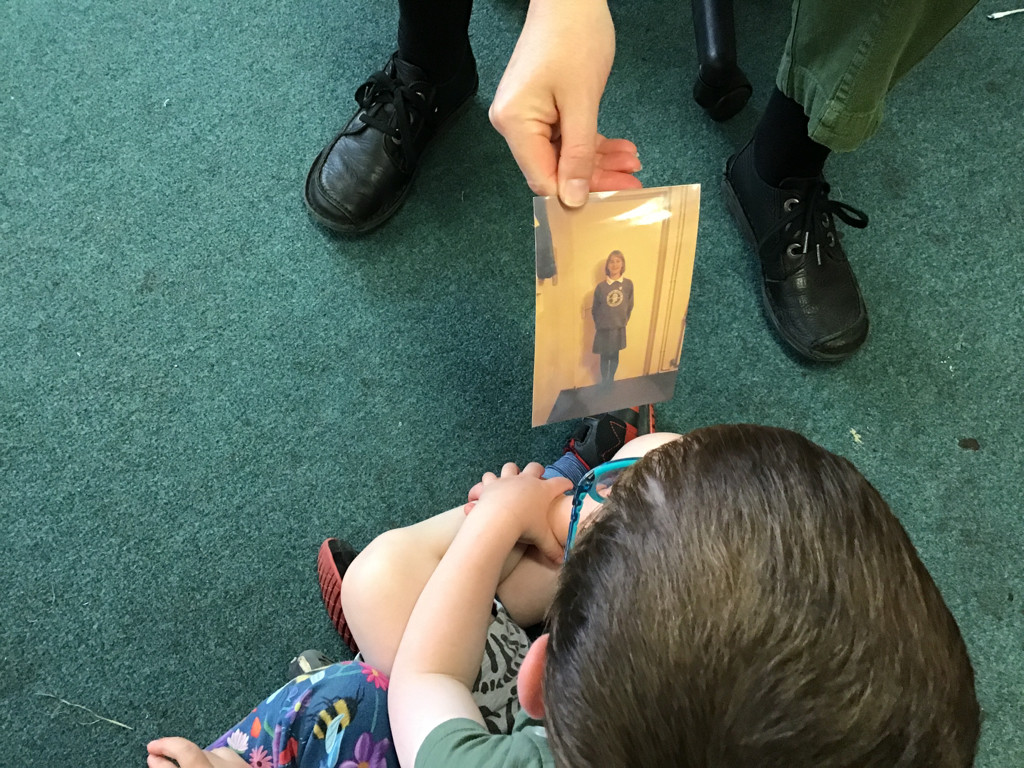
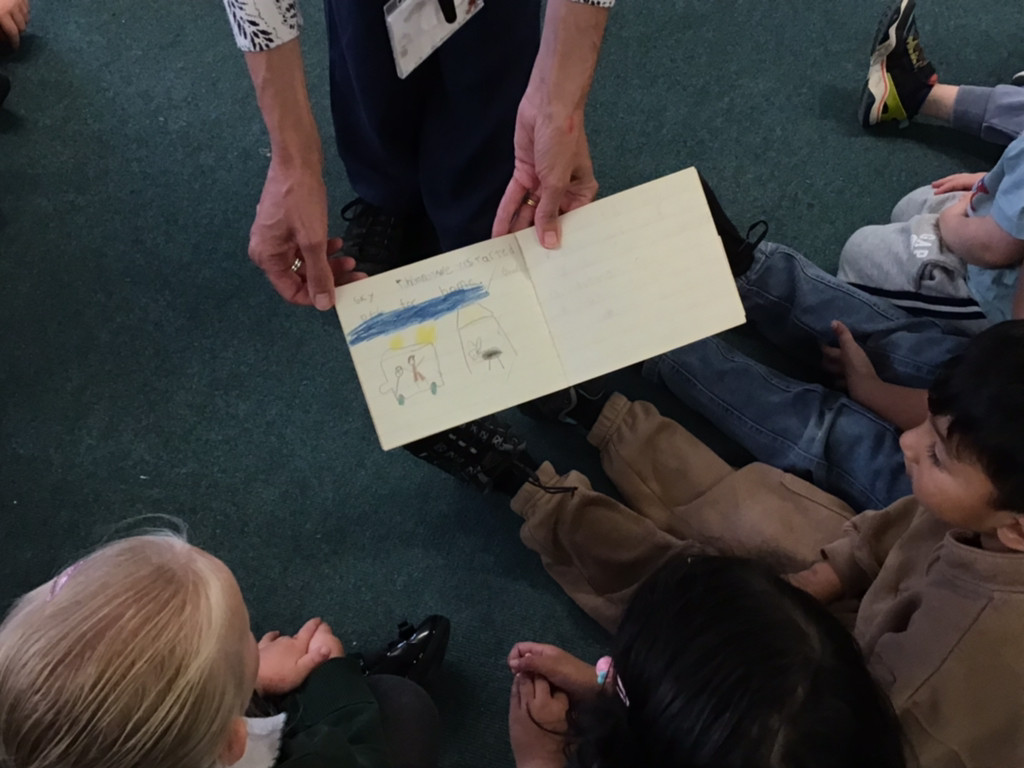
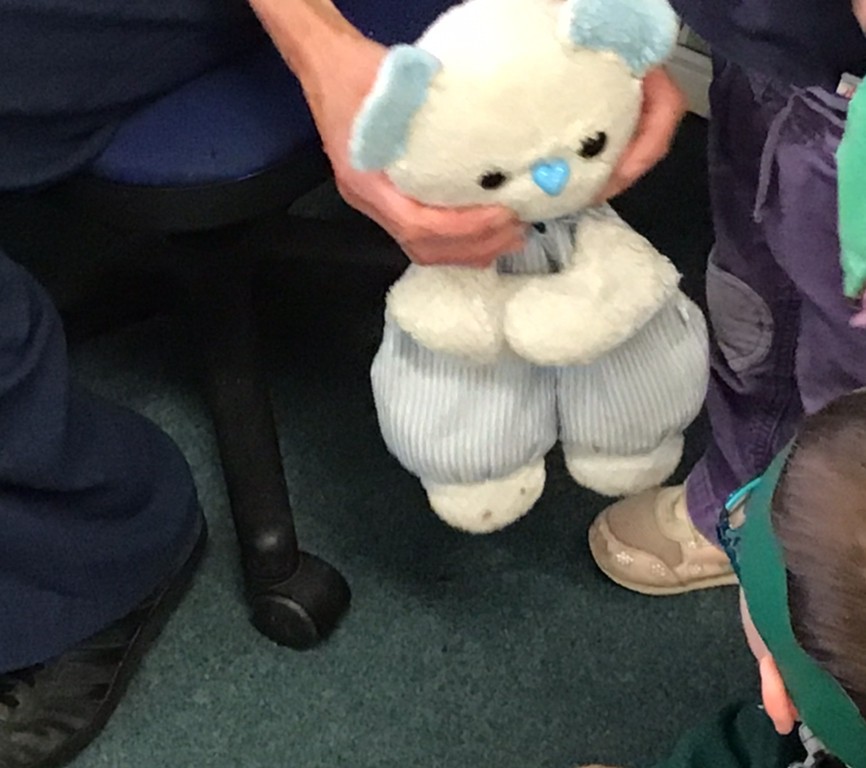
Children in Bumblebee class have been making sense of their own life story and learning about their family history. They have enjoyed a special week exploring history resources. Parents and staff have shared photos of when they were younger. The children have also had the chance to look at old toys, old school books and old clothes. They really engaged with the stories that went along with the items from the past. Lots of children brought photos to share of when they were babies. We talked about how we have all changed and talked about the family members in the photos. Nursery staff are very grateful for the support given by families during this special week of learning for our children.
Year 4
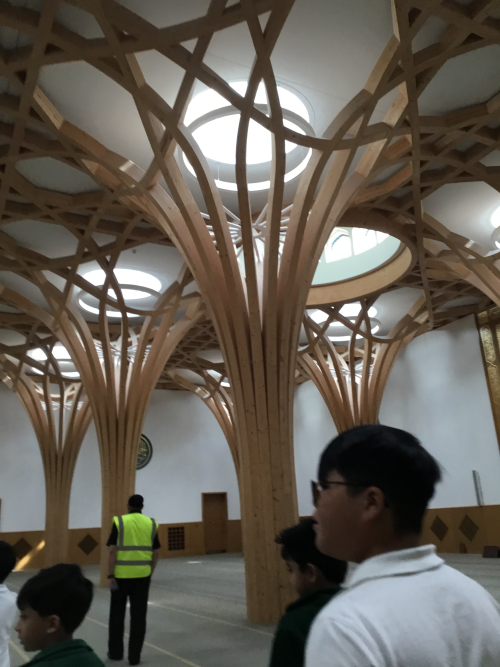
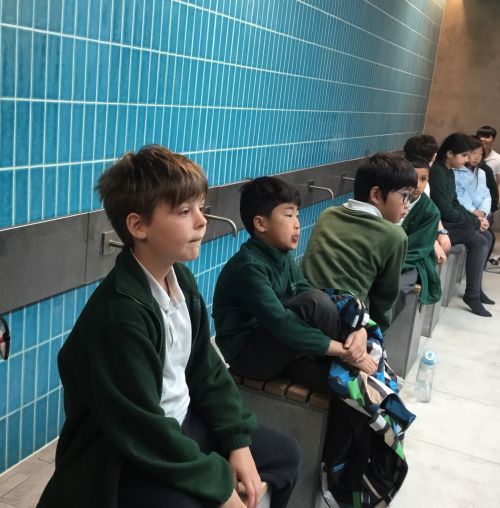
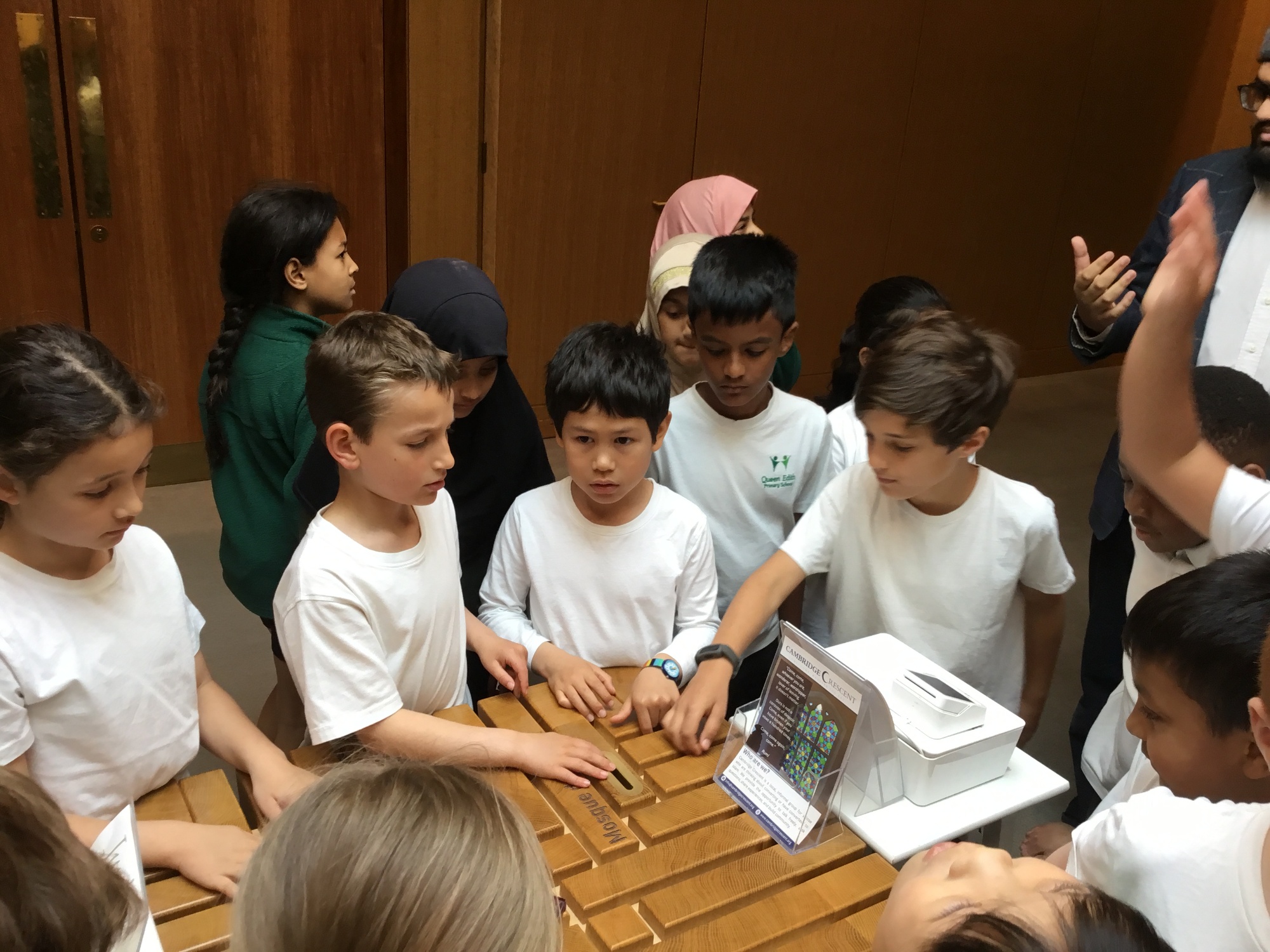
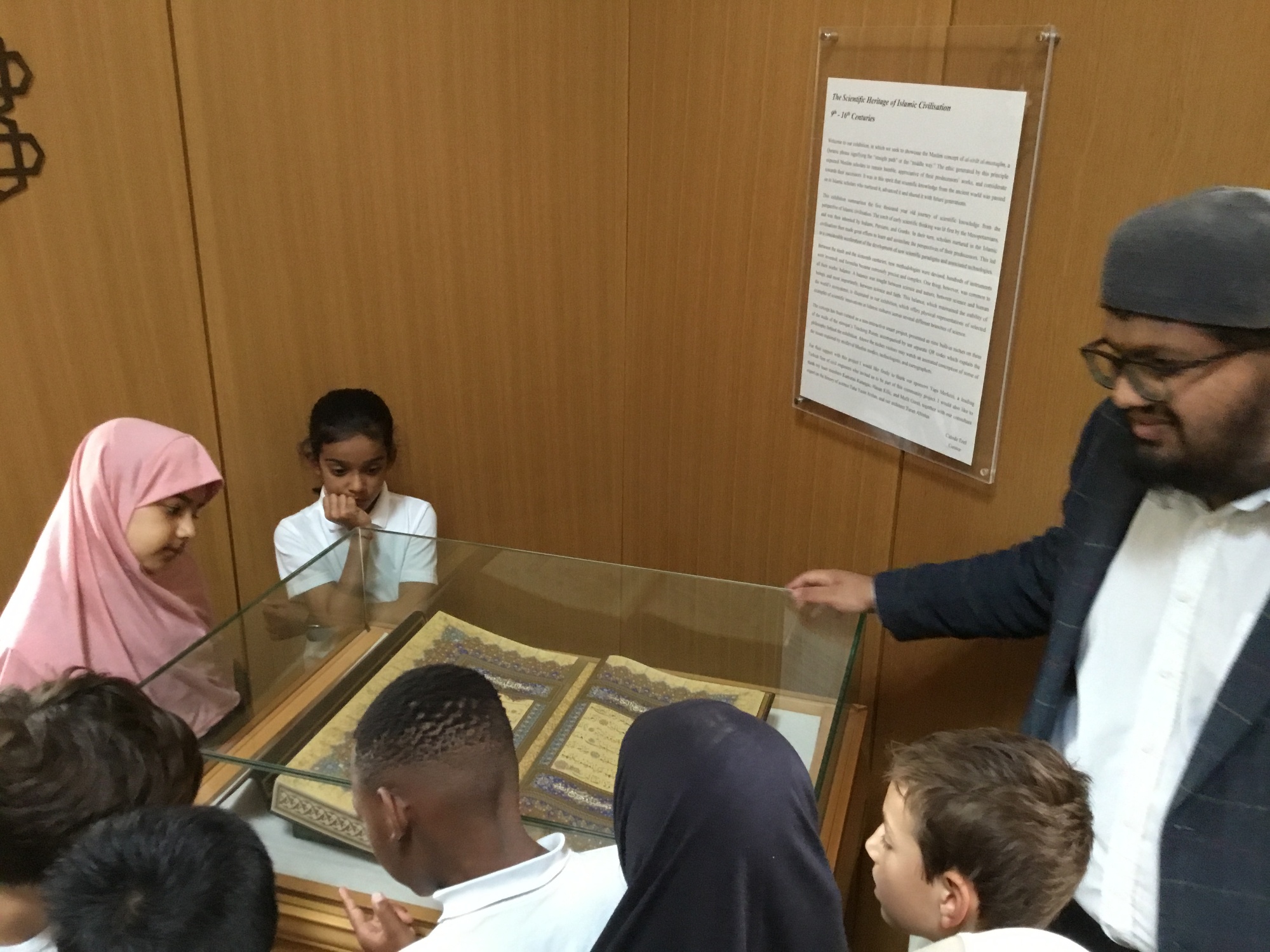
Year 4 visited Cambridge Central Mosque as part of our history topic, the Golden Age of Islam, where we have been studying the scientific, mathematical, philosophical and artistic innovations made during this time.
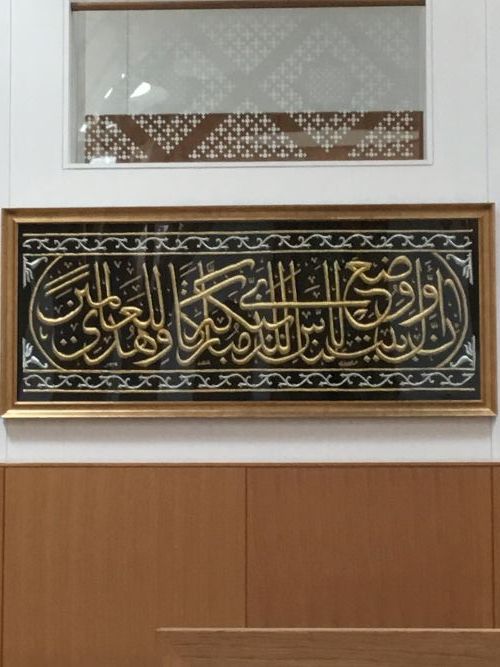
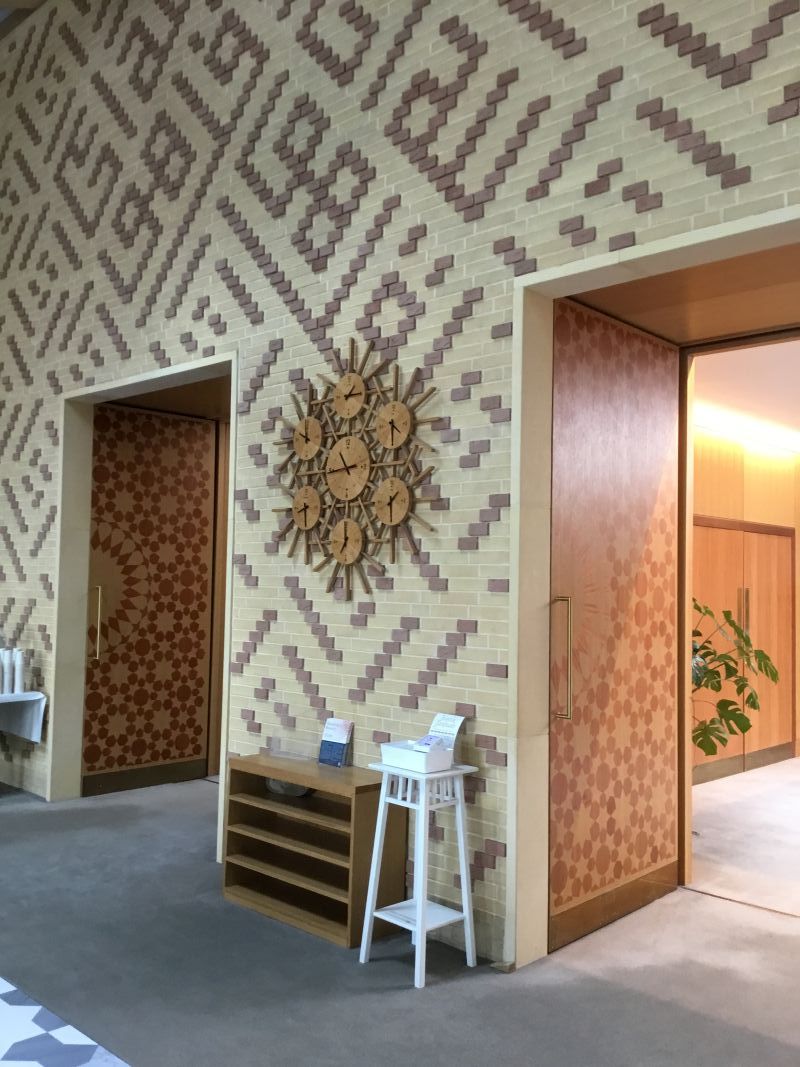
At the mosque, we noticed it was decorated with geometric patterns and Arabic calligraphy similar to what we have studied, and learned more about their meanings. We asked many questions to our guide, and we learned a lot about Muslim practices and mosque architecture.
Year 1
Mountfitchet Castle
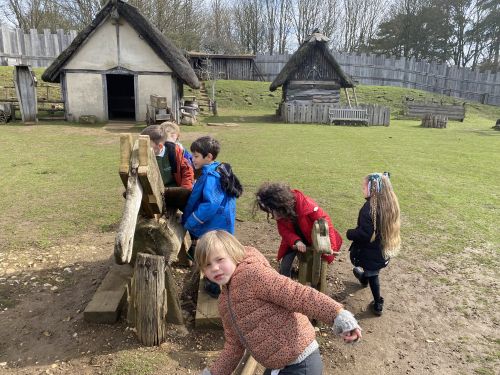
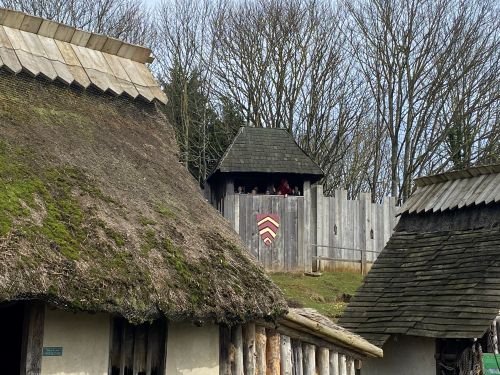
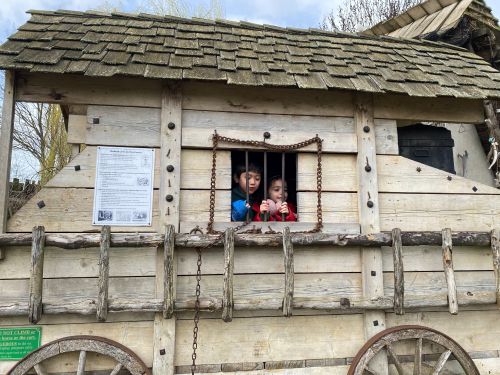
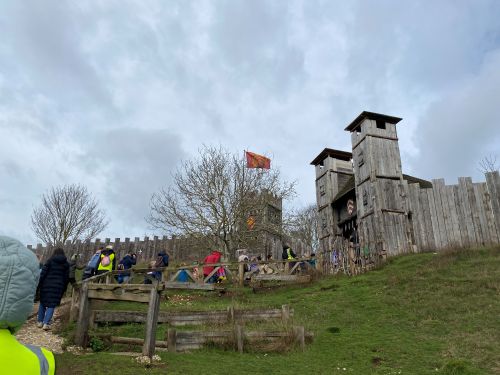
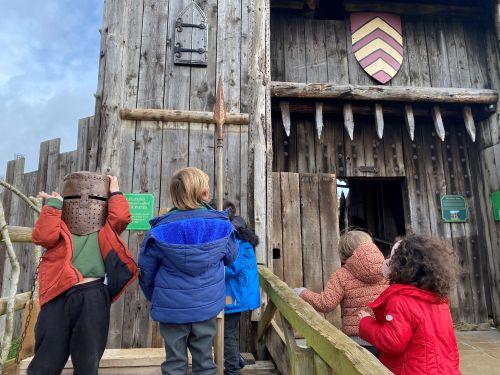
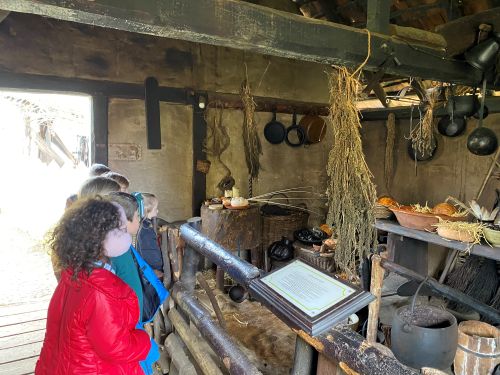
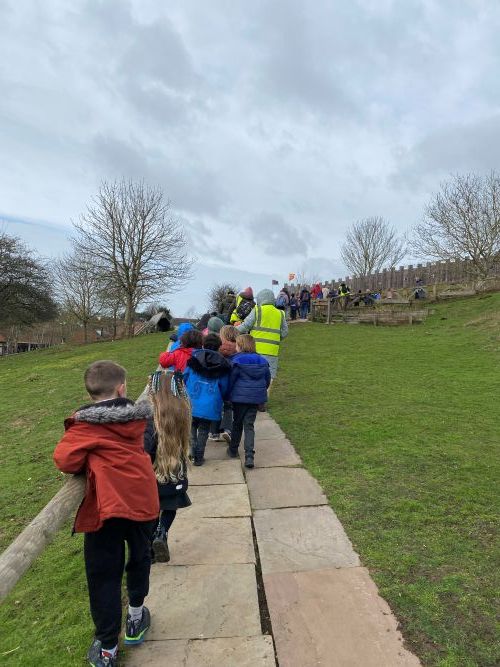
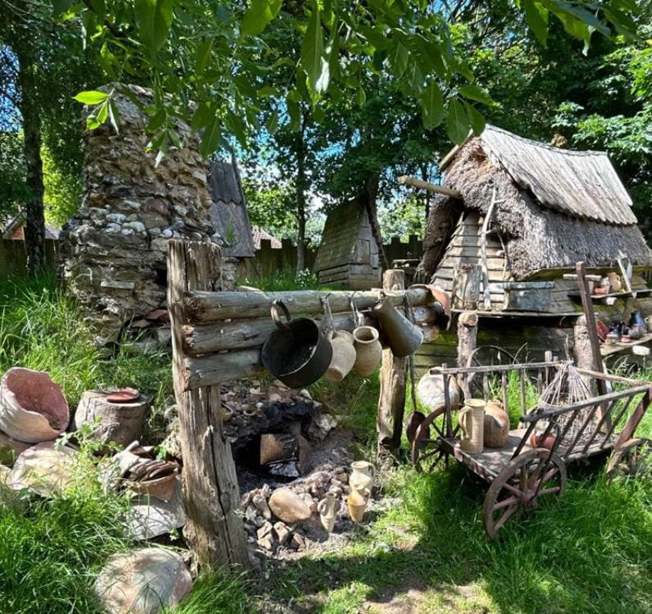
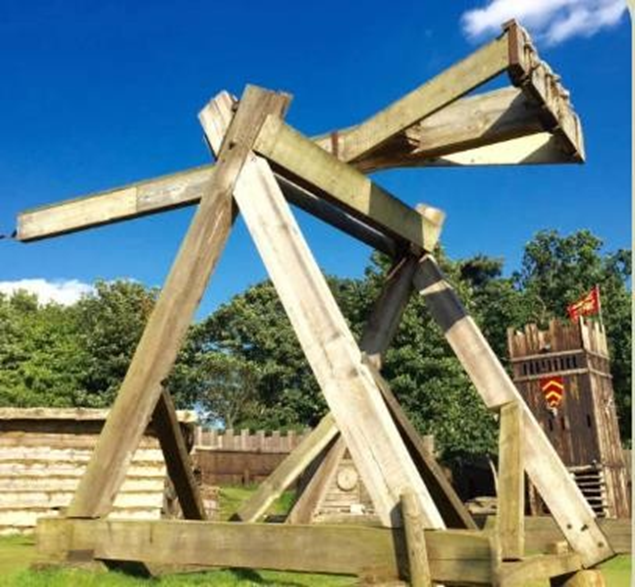
This half term, Year 1 have been learning about our topic ‘Knights and Castles’. We have enjoyed learning about different types of castles, who might live there and why castles were built the way they were. To finish our topic, we loved visiting Mountfitchet Castle and having the opportunity to walk around a recreation of a Motte and Bailey Castle. We enjoyed searching the castle grounds for the different features we had been learning about, such as drawbridges, moats and portcullises.
Year 5
In history , Year 5 are currently learning about the Ancient Egyptians and how they lived their lives in their Epoch. One of their favourite lessons, for this topic, was about mummification . They managed to understand the process by actually mummifying a genuine tomato. They even got the chance to decode a message in Hieroglyphics. Do you know what it is? Well, it is actually the Ancient Egyptian writing system using a variety of symbols and characters. In fact, they also had the opportunity to form their own messages by themselves (using a sheet with what each symbol /character it represents). They have extremely enjoyed learning about this topic and hope other years do as well. By Dhyia in Silver Birch
Year 2
Great Fire of London workshop
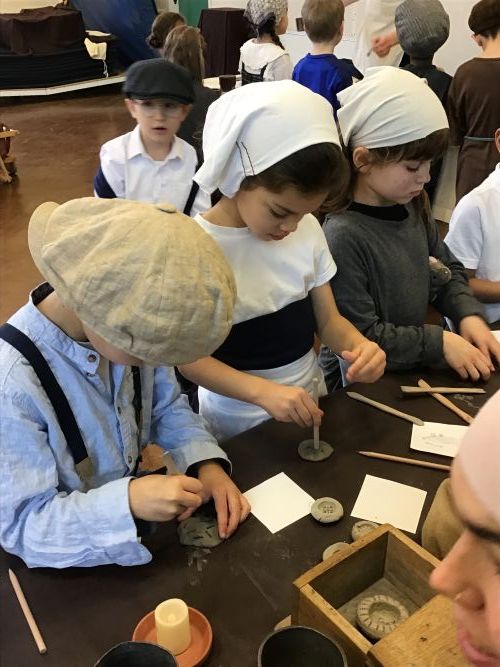
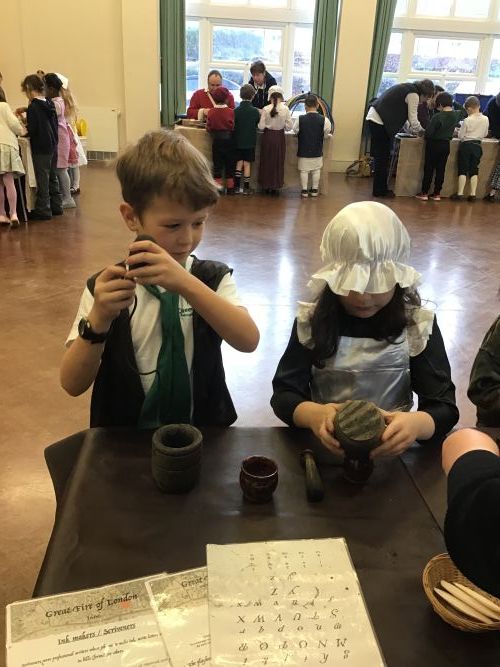
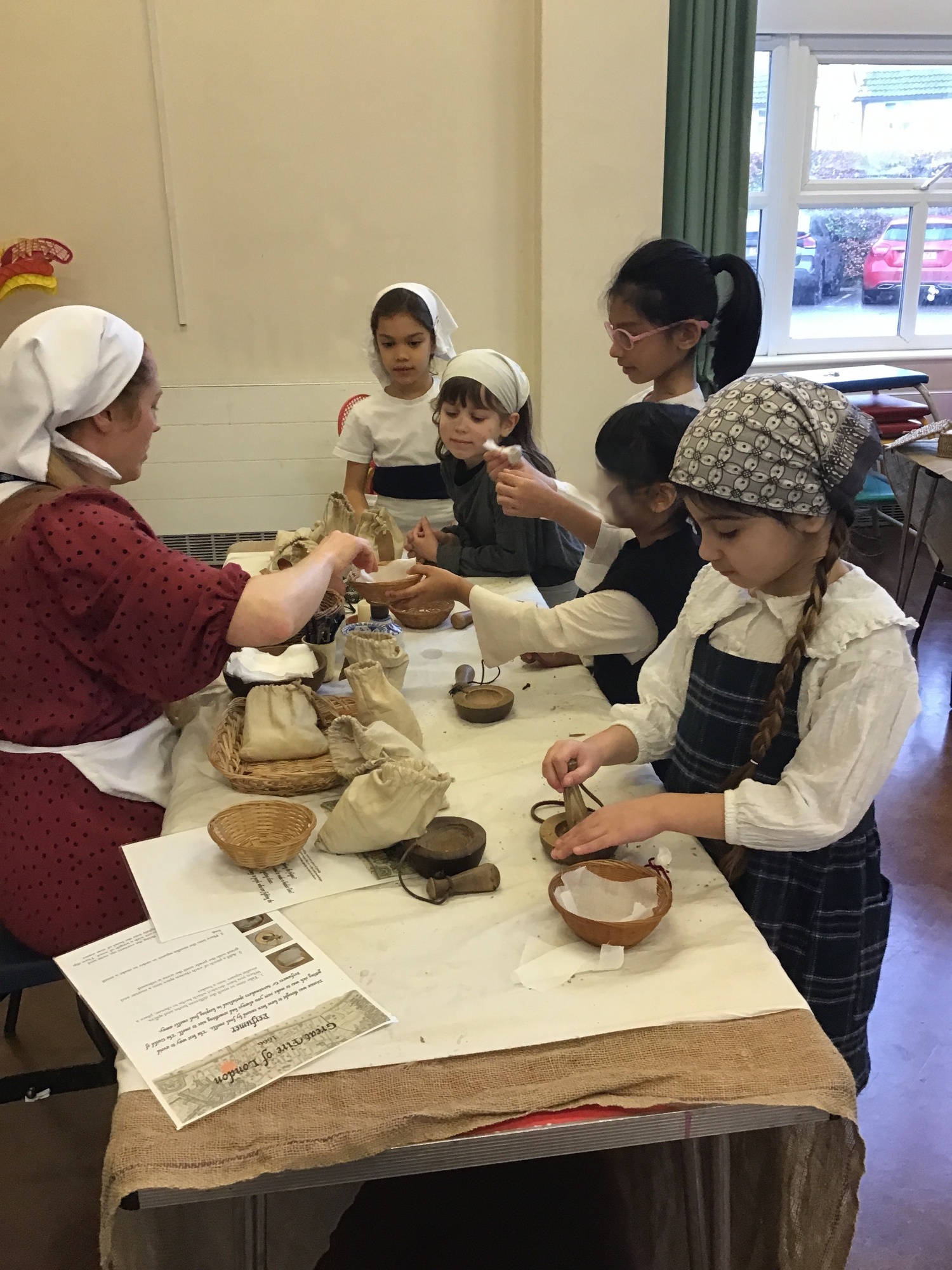
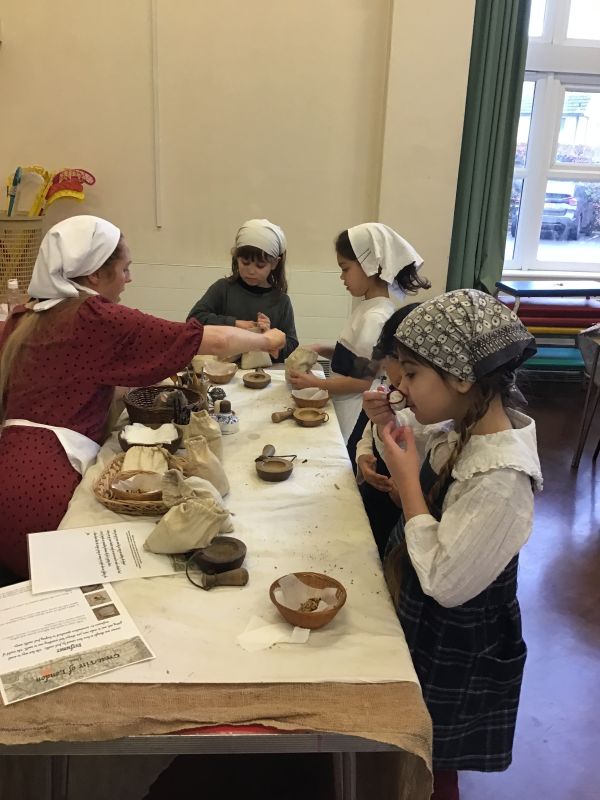
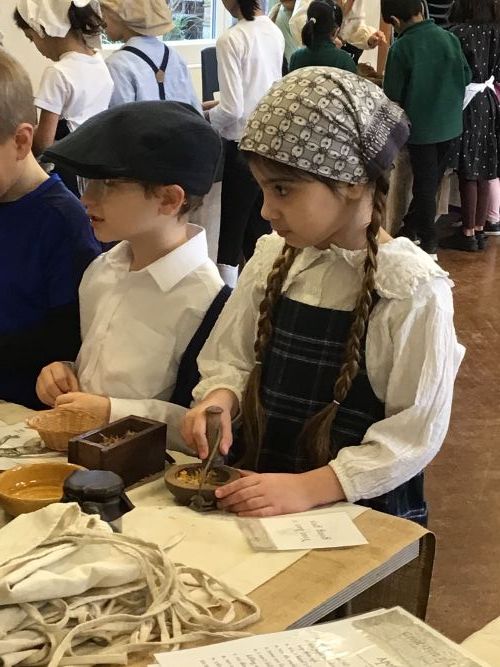
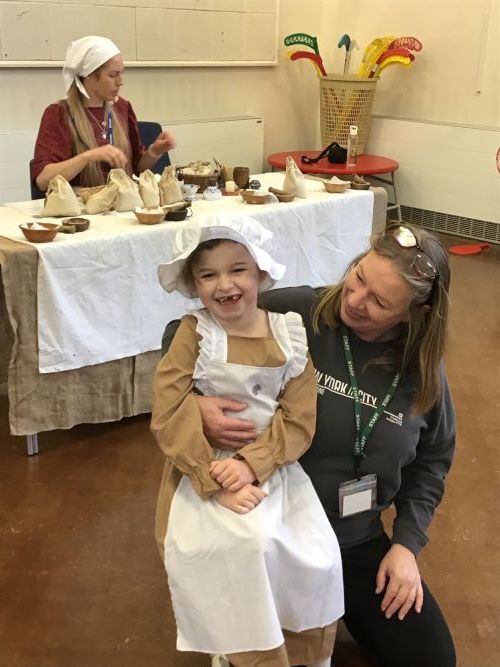
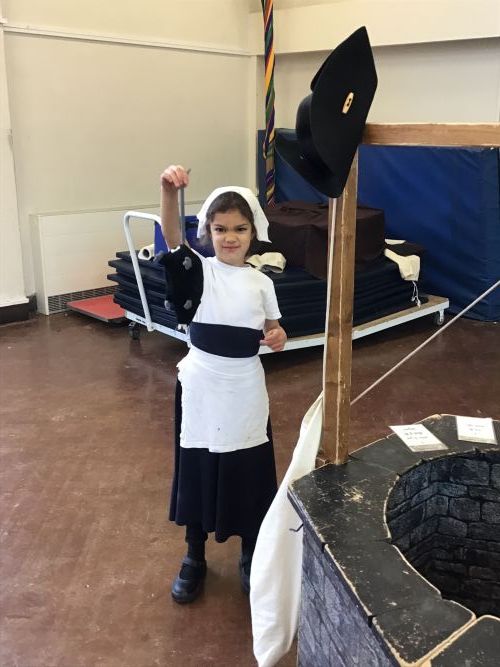
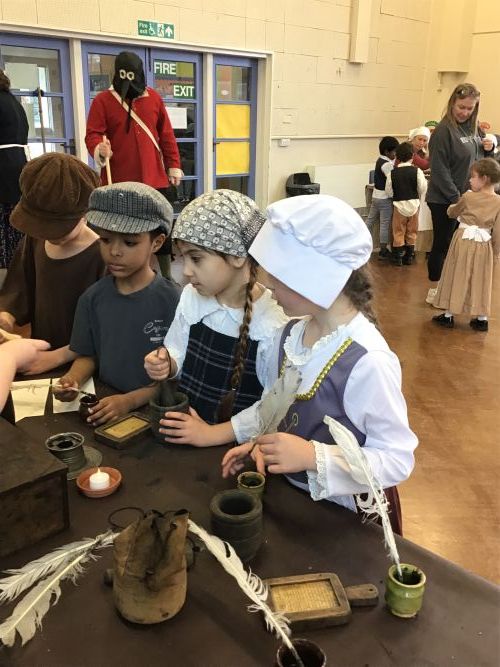
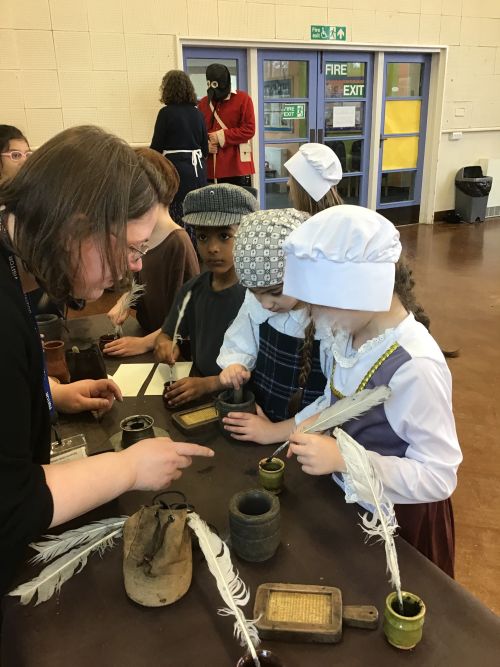
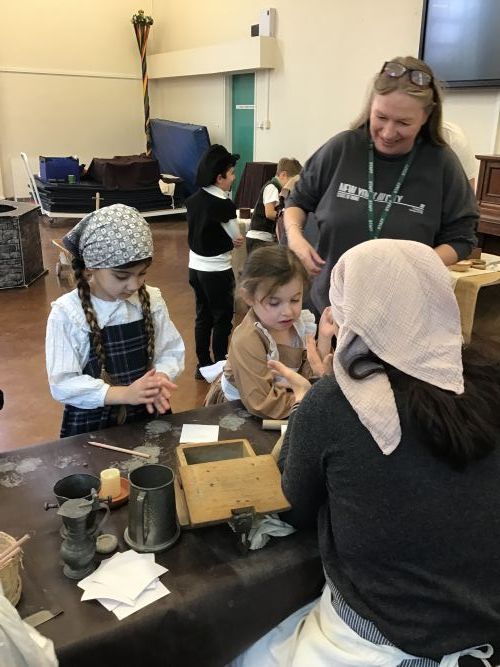
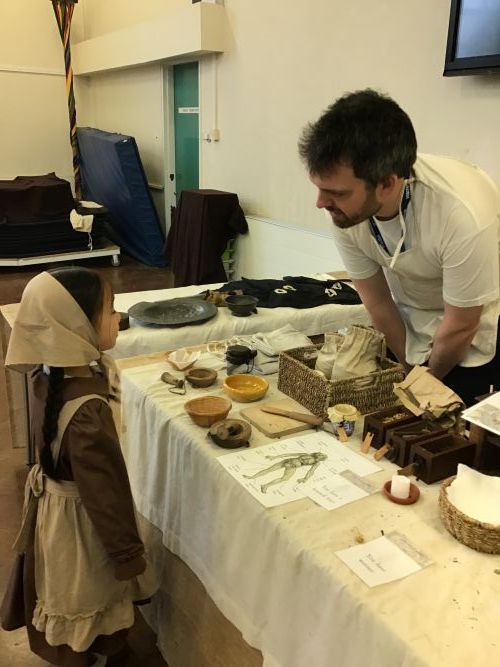
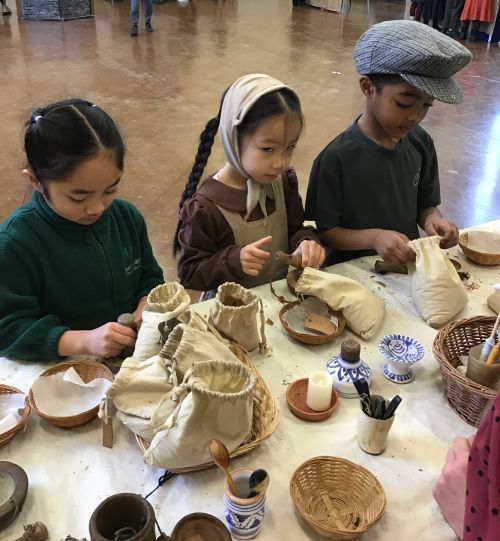
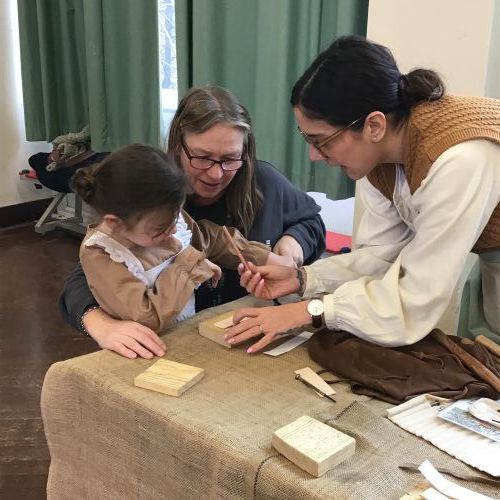
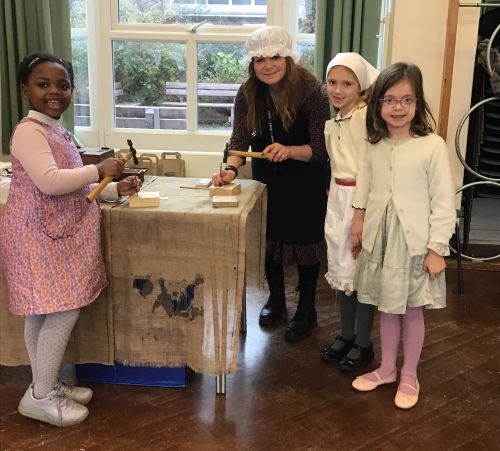
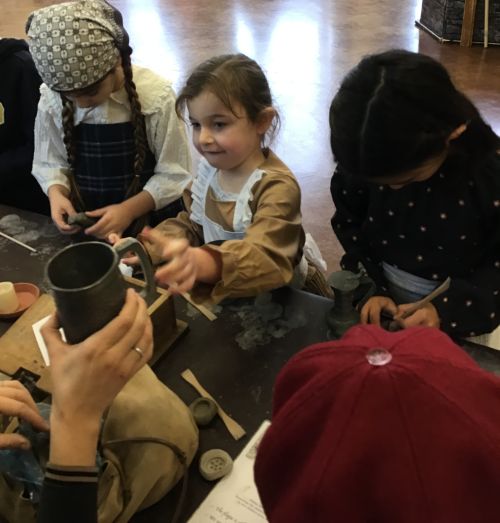
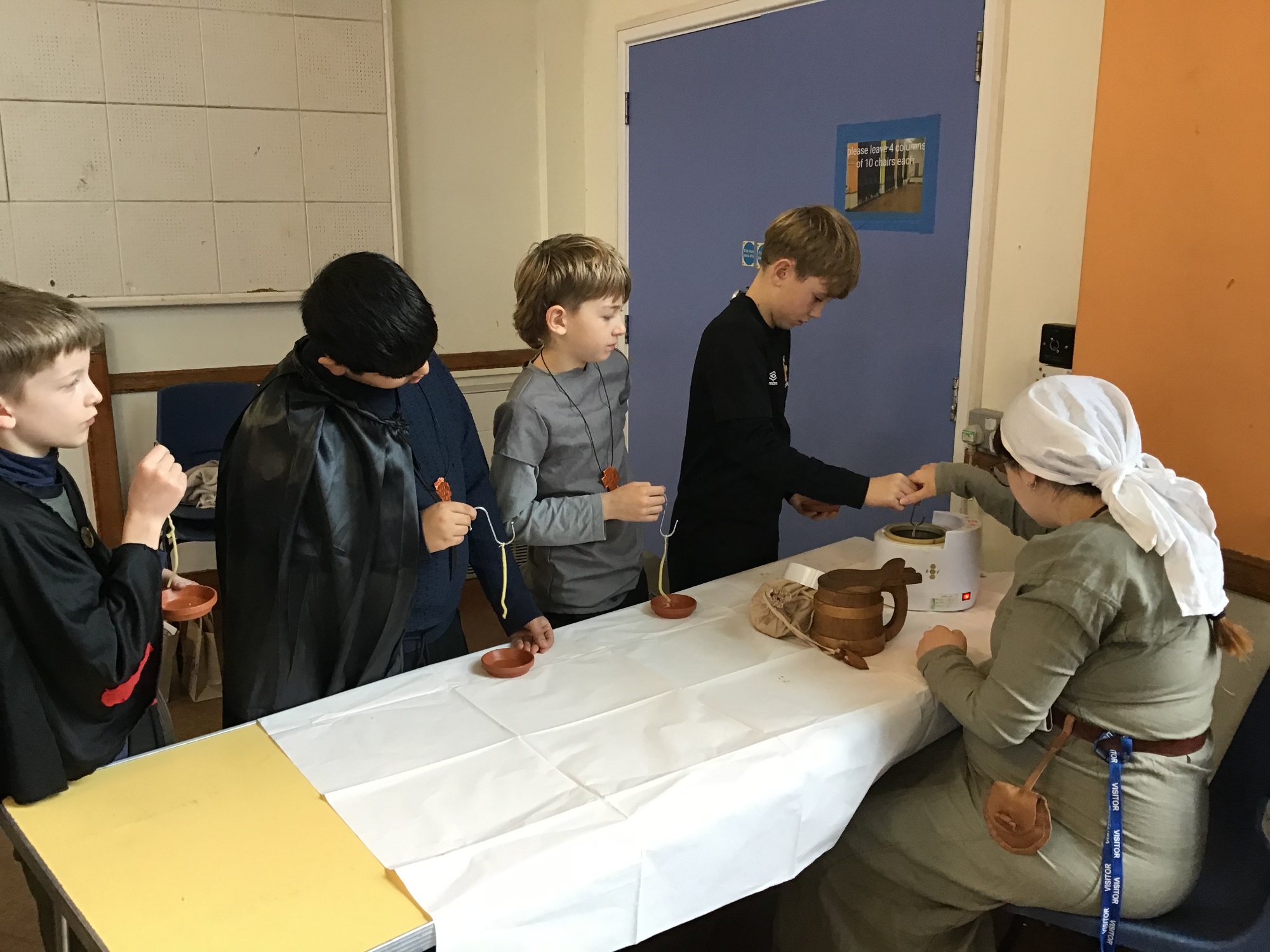
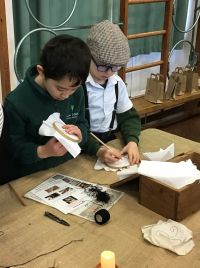
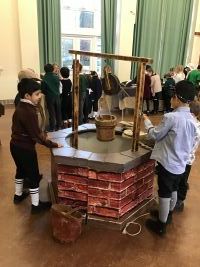
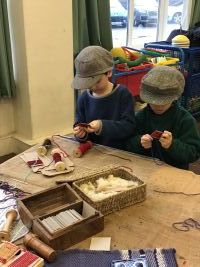
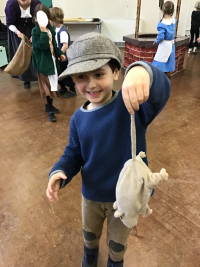
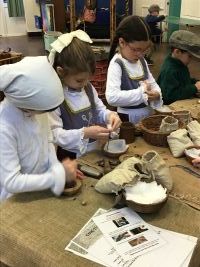
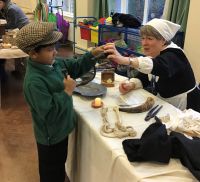
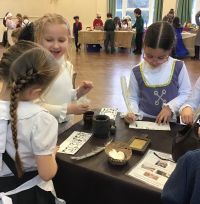
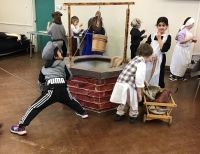
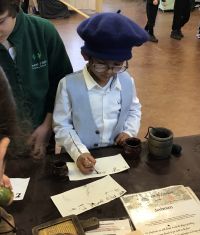
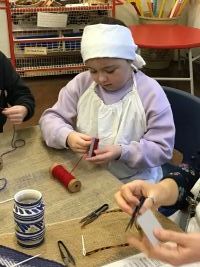
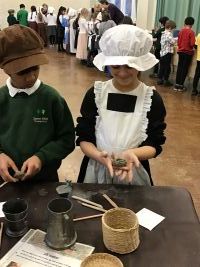
Year 2 had a fantastic time at their Great Fire of London workshop. The immersive day brought history to life as the children explored jobs from the past, including candle making, sewing, perfume making, weaving, being a scrivener (a hand-writer of letters and documents), and learning about a tanner who made leather from animal skins.
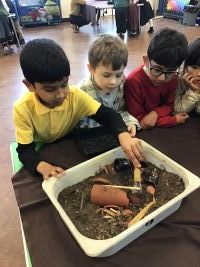
They also became archaeologists for the day, sifting through the “remains” of the fire to discover what life was like in 1666. It was a fun and memorable way to learn about history.
Year 5
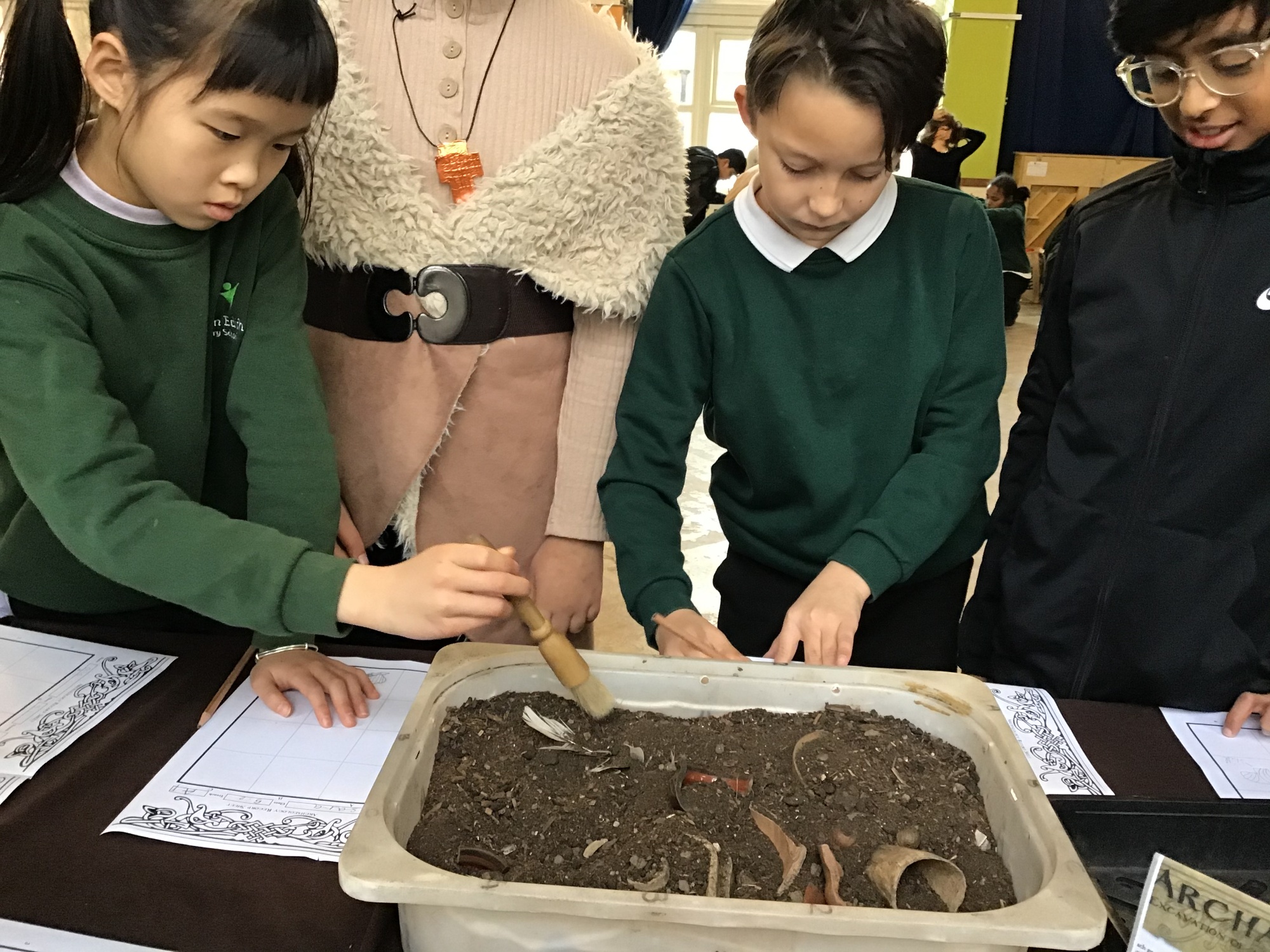
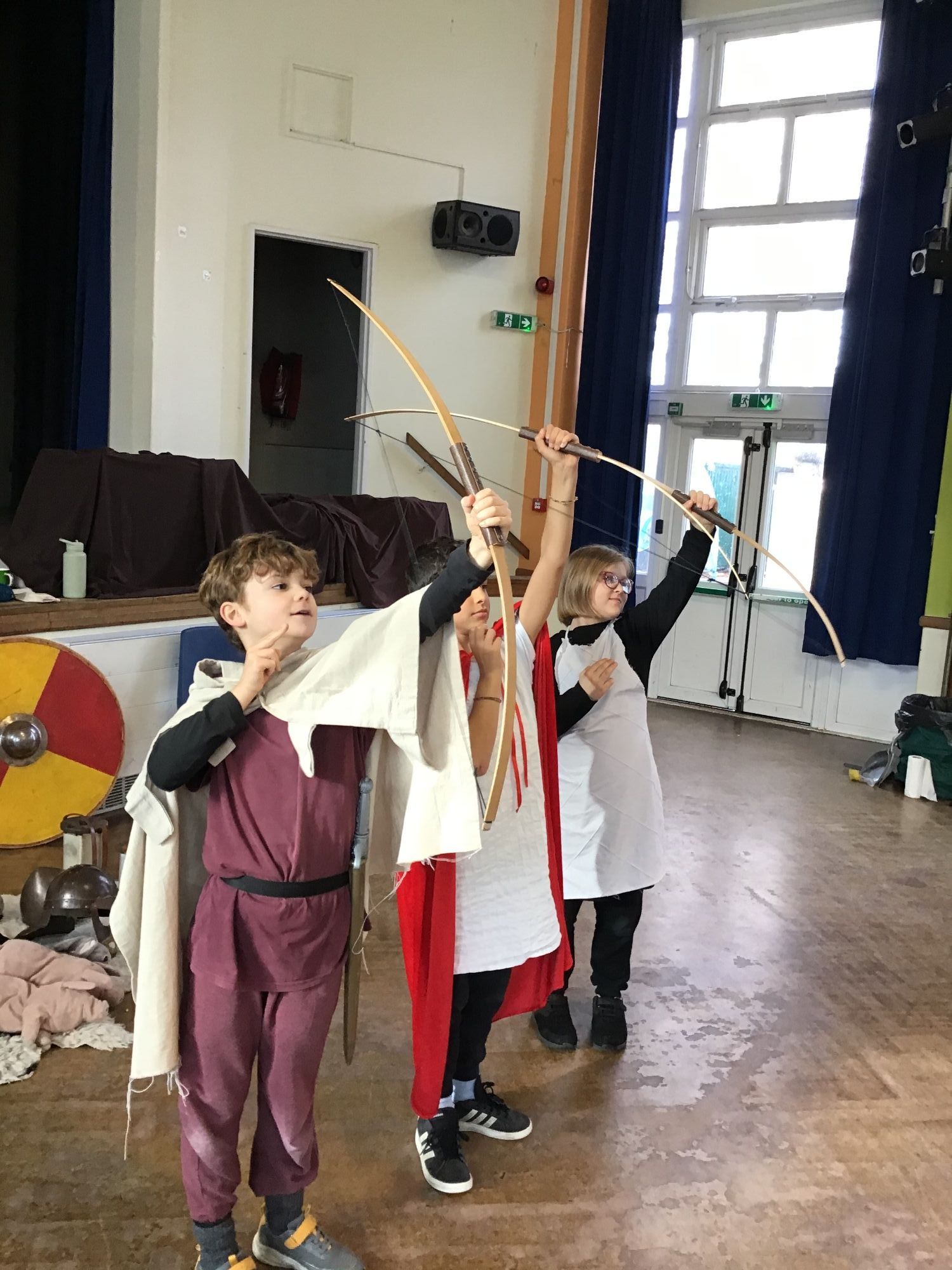
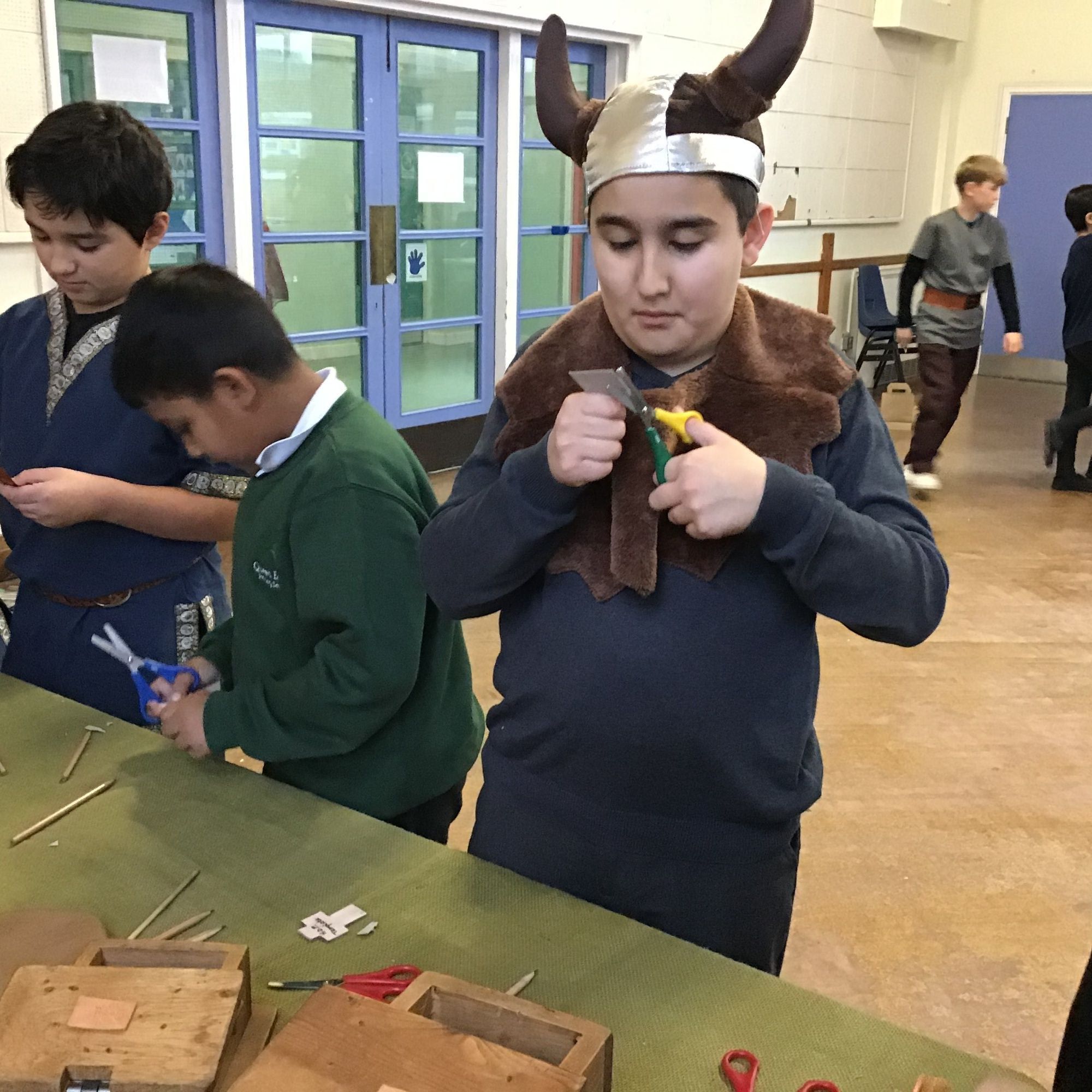
As part of their study on Vikings and Anglo-Saxons, Year 5 were visited by History off the Page. The children took part in weaving, pottery, metal working, candle making and archaeology.
It was a fantastic day and added enormously to the children’s learning on the topic.
Year 6
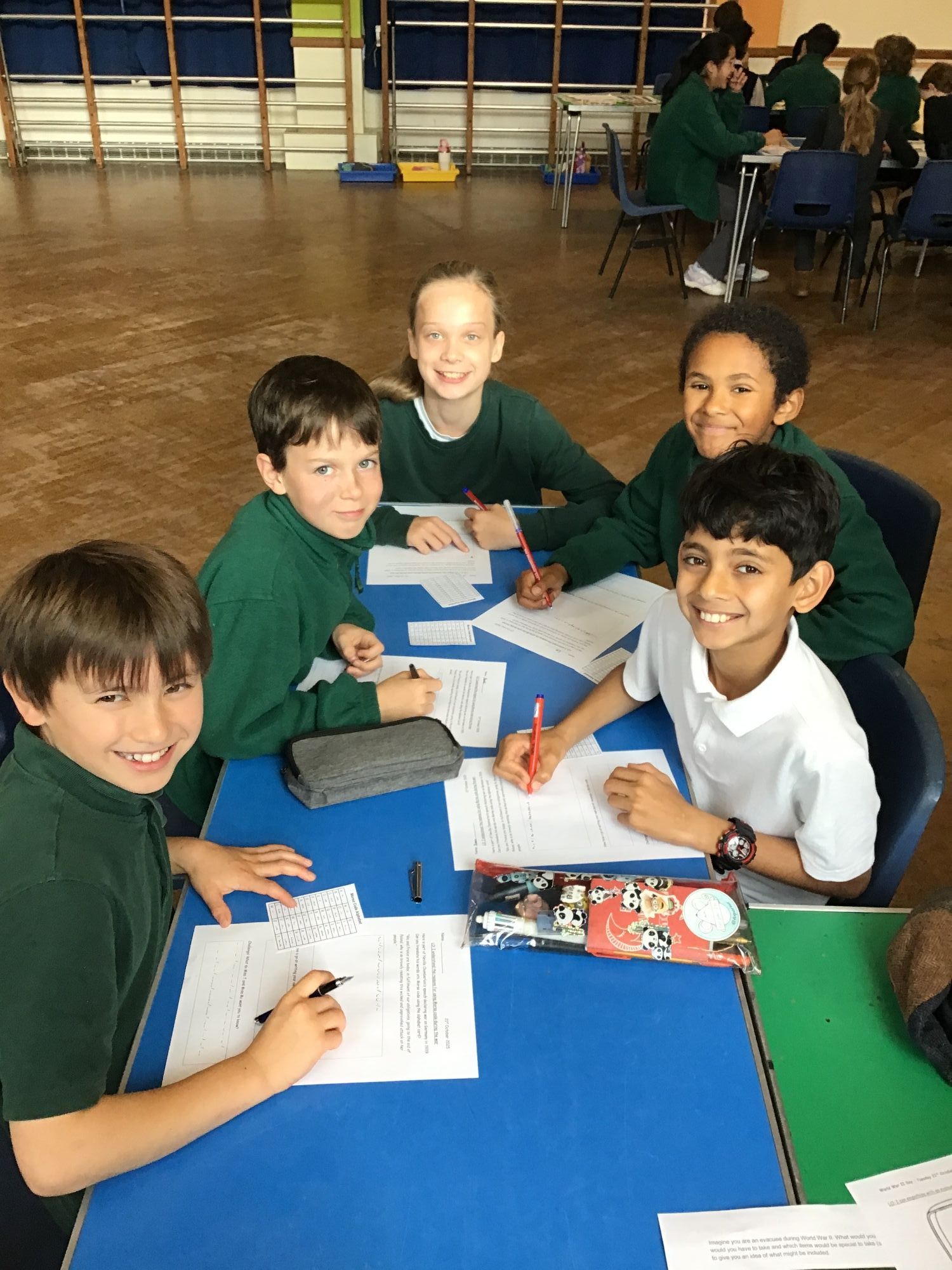
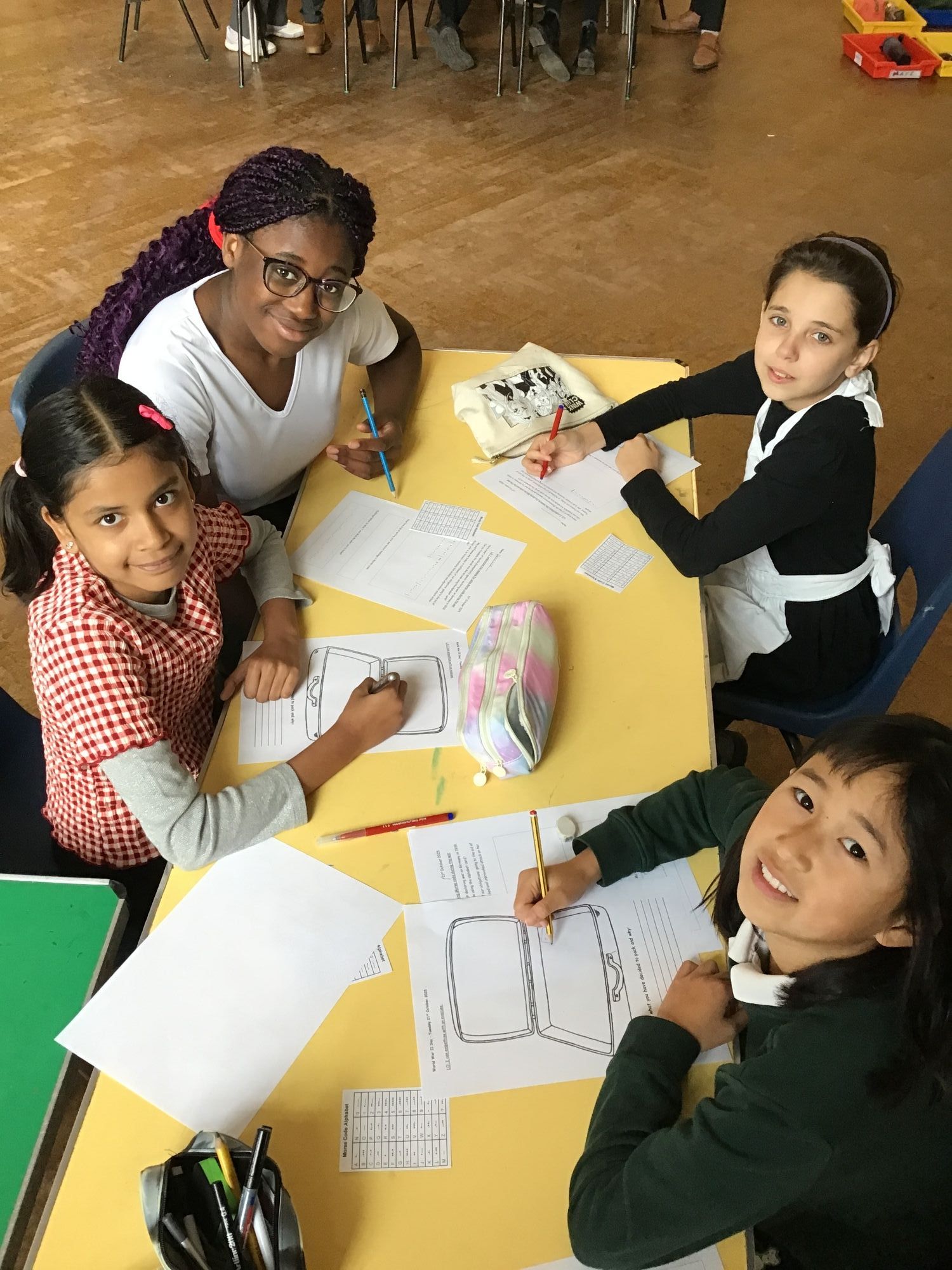
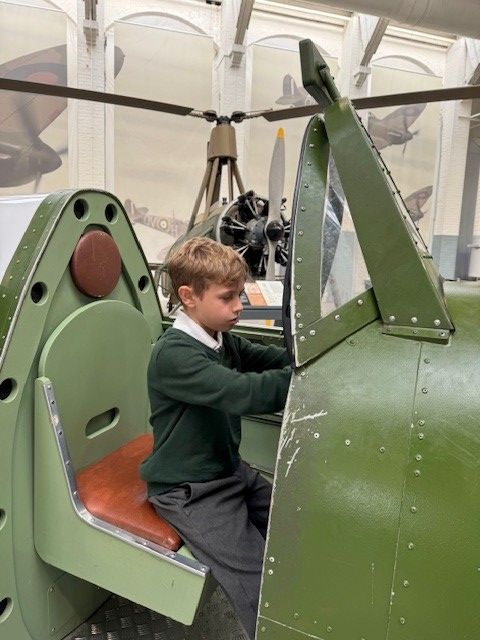
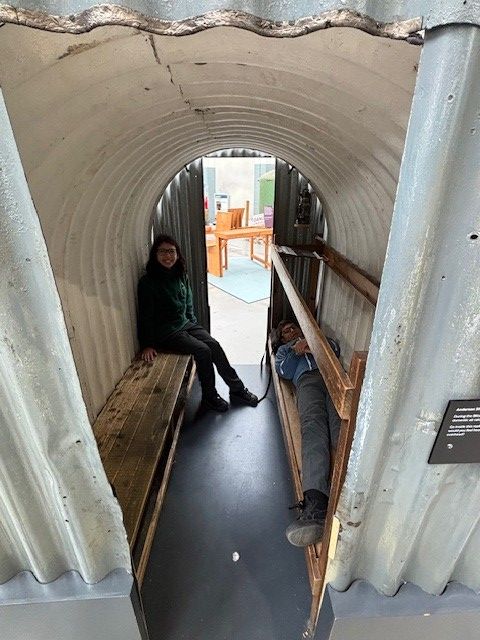
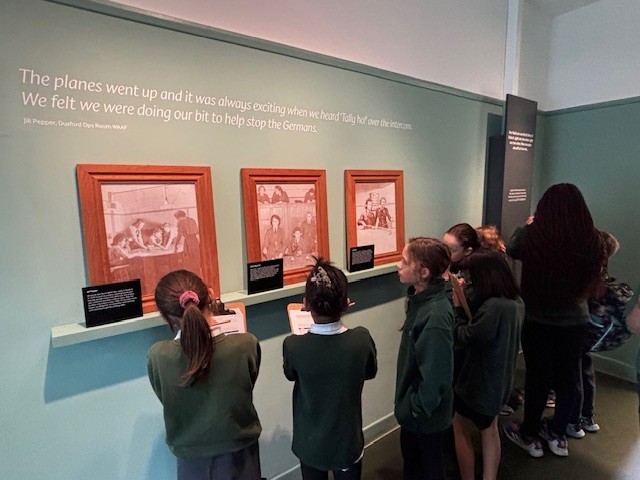
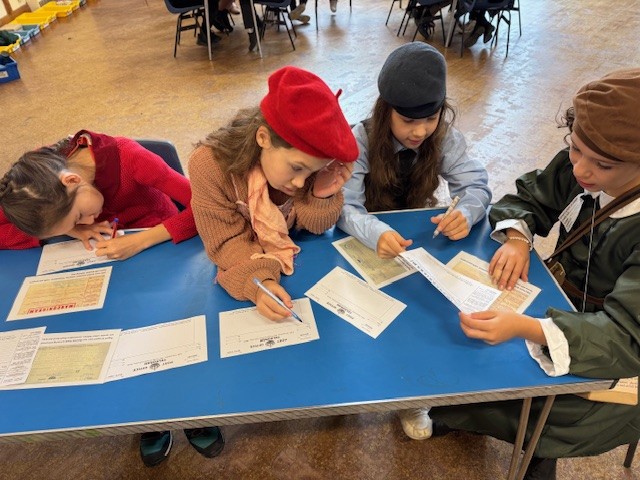
Pupils in Year 6 have been learning about World War Two and the impact on Britain. They have learnt about the important events during the war and how life in Britain changed during and after the end of the war. Children's learning was enhanced by activities during a World War Two day and on a wonderful visit to Duxford Air Museum.
Academic Year 2024-2025
Year 1
Castles
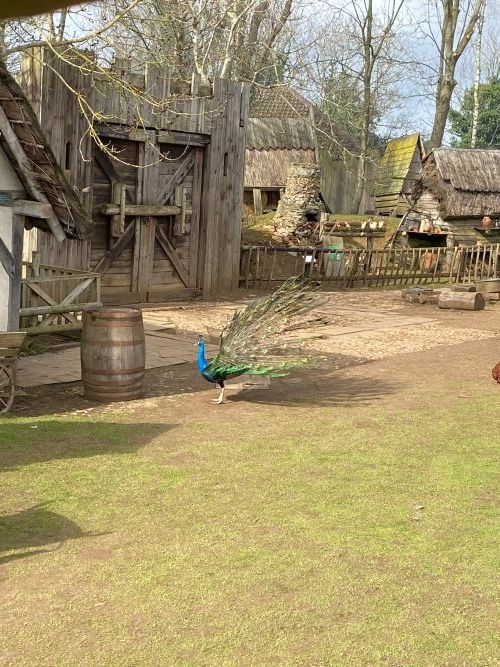
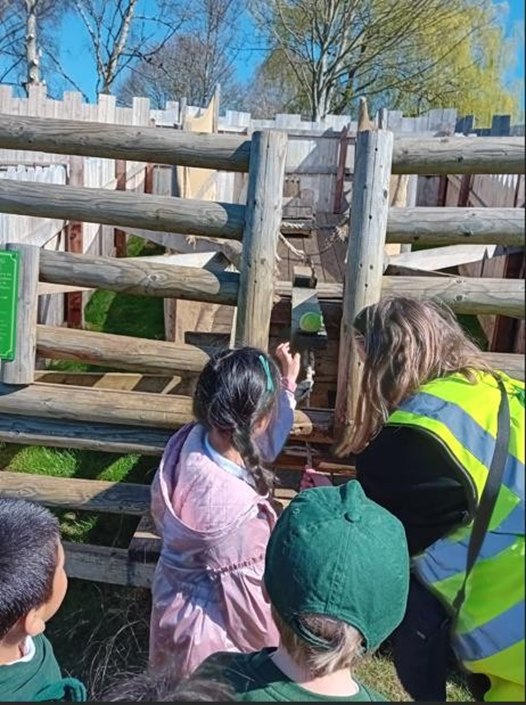
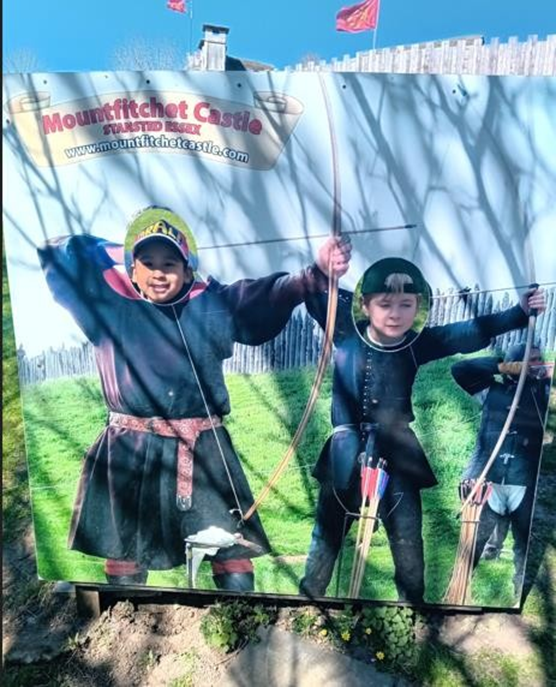
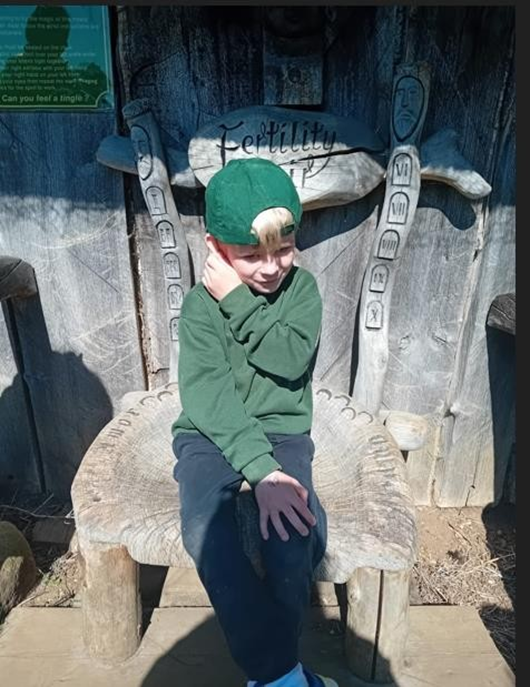
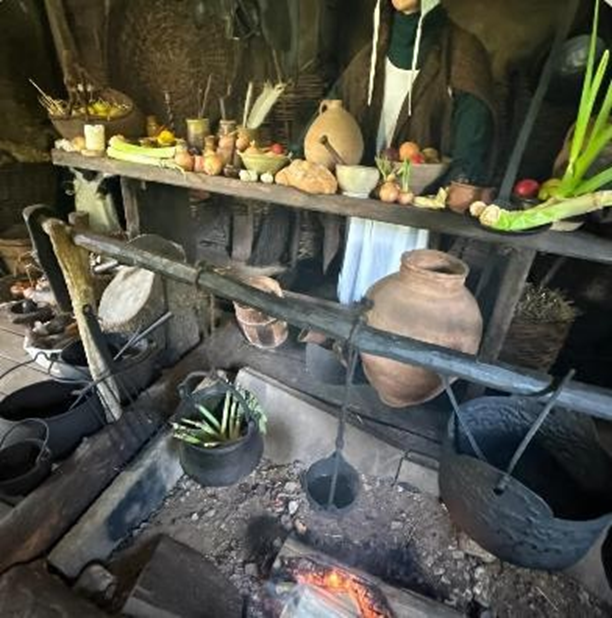
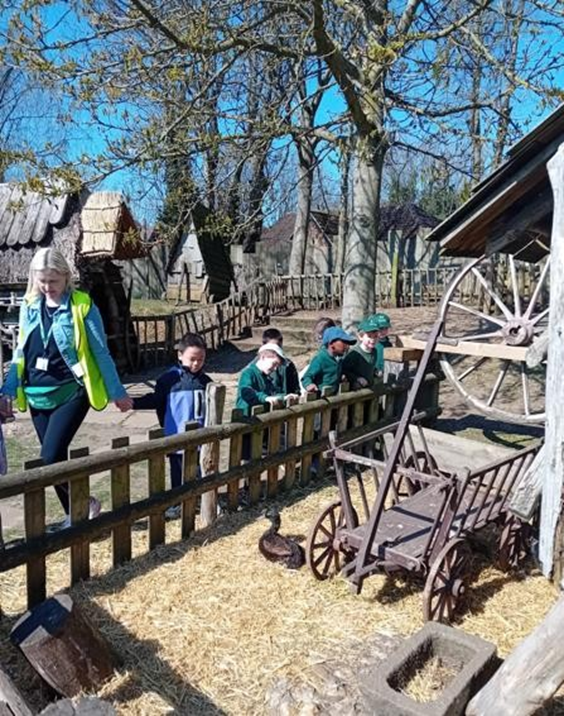
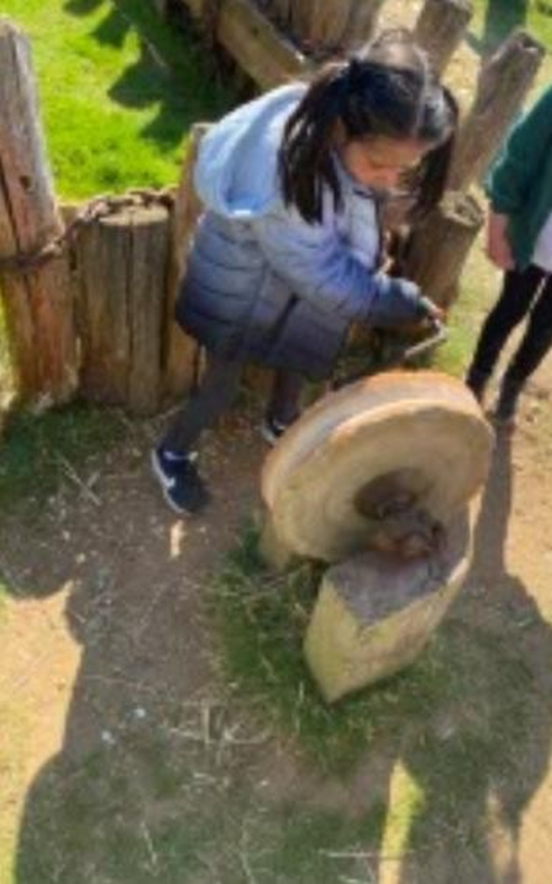
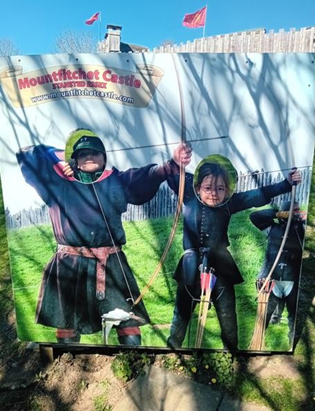
We have been learning about castles in Year One and we visited Mount Fitchet castle. Mount Fitchet castle is a Motte and Bailey castle from the Medieval times. We enjoyed exploring the many parts of the castle, wandering in and out of the many houses and smelling the log fires and enjoying seeing the peacocks and hens. We climbed many towers and we could see wonderful views across the whole castle and we pretended to be on guard from the enemy! We had a lovely packed lunch and then enjoyed the coach trip back to school. It was a wonderful day!
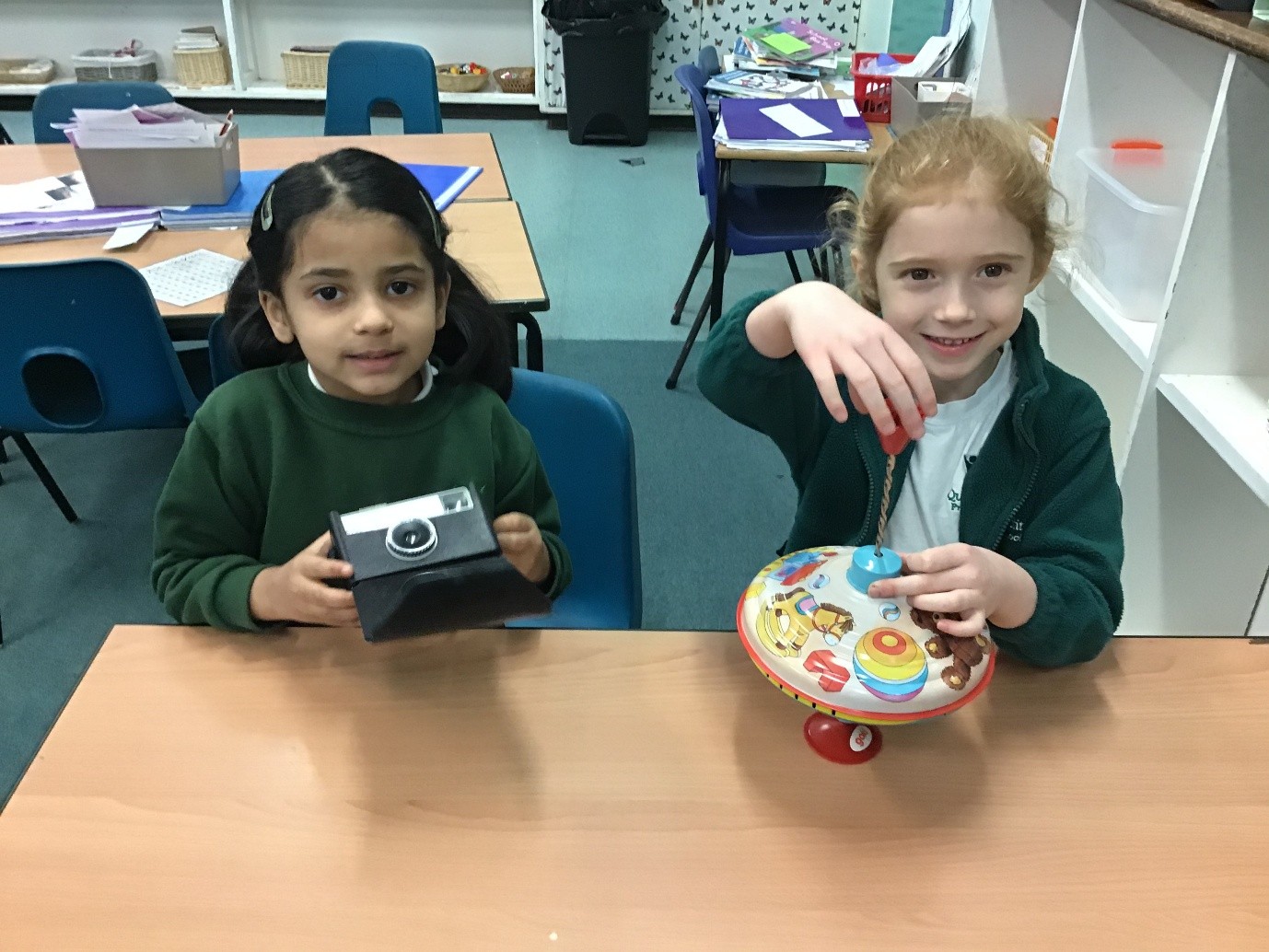
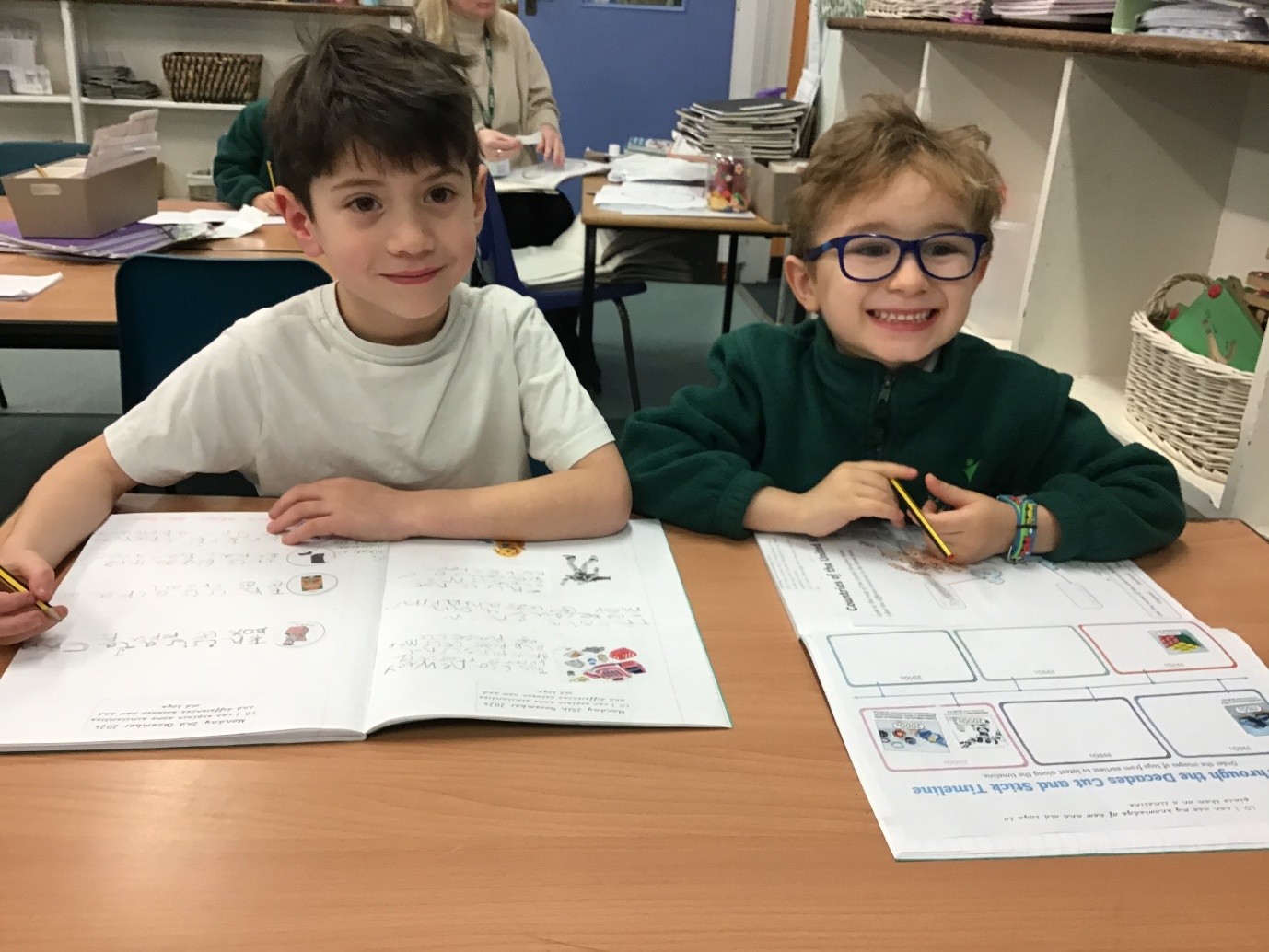
In Year One in History, we have been exploring and enjoyed playing with some old toys from the past. We looked at a spinning top and an old camera amongst others. We learned about the materials that they used to make toys in the past when our grandparents were children. Also, we learned about how toys are made today and the materials they are made from.In Year One in History, we have been exploring and enjoyed playing with some old toys from the past. We looked at a spinning top and an old camera amongst others. We learned about the materials that they used to make toys in the past when our grandparents were children. Also, we learned about how toys are made today and the materials they are made from.
Year 2
Great Fire of London workshop
Year 2 enjoyed a Great Fire of London workshop, where the children stepped back in time to 1666. They had the opportunity to become apprentices, working in traditional trades such as candle making, weaving and leather working, just as people did in 17th-century London. In the afternoon, they became archaeologists, examining artefacts to uncover clues about life during this period.
Year 3
This half term, the children in Year 3 started off back in Ancient Greece with an amazing experience day run by History off the Page!
Year 4
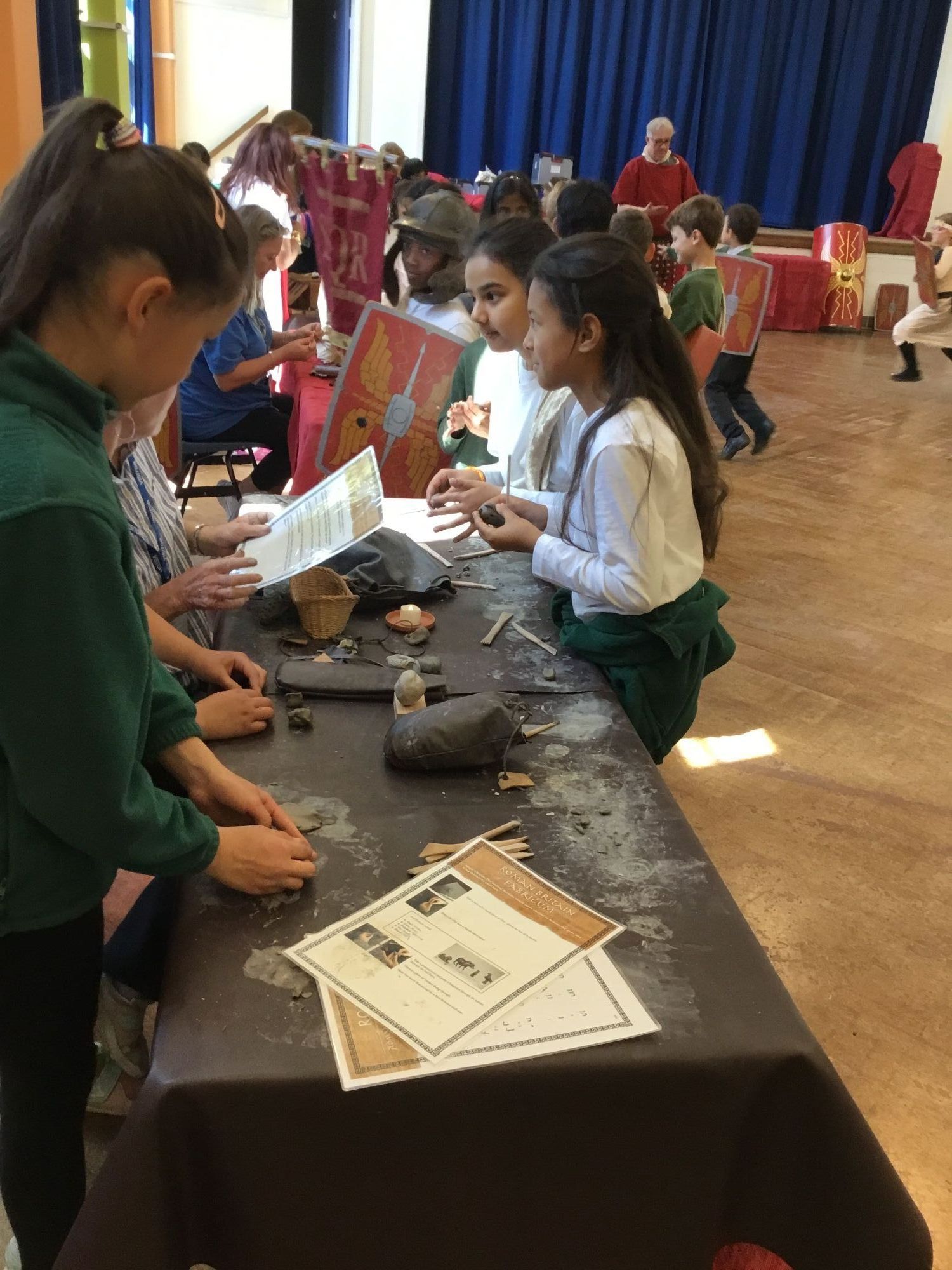
Roman Day
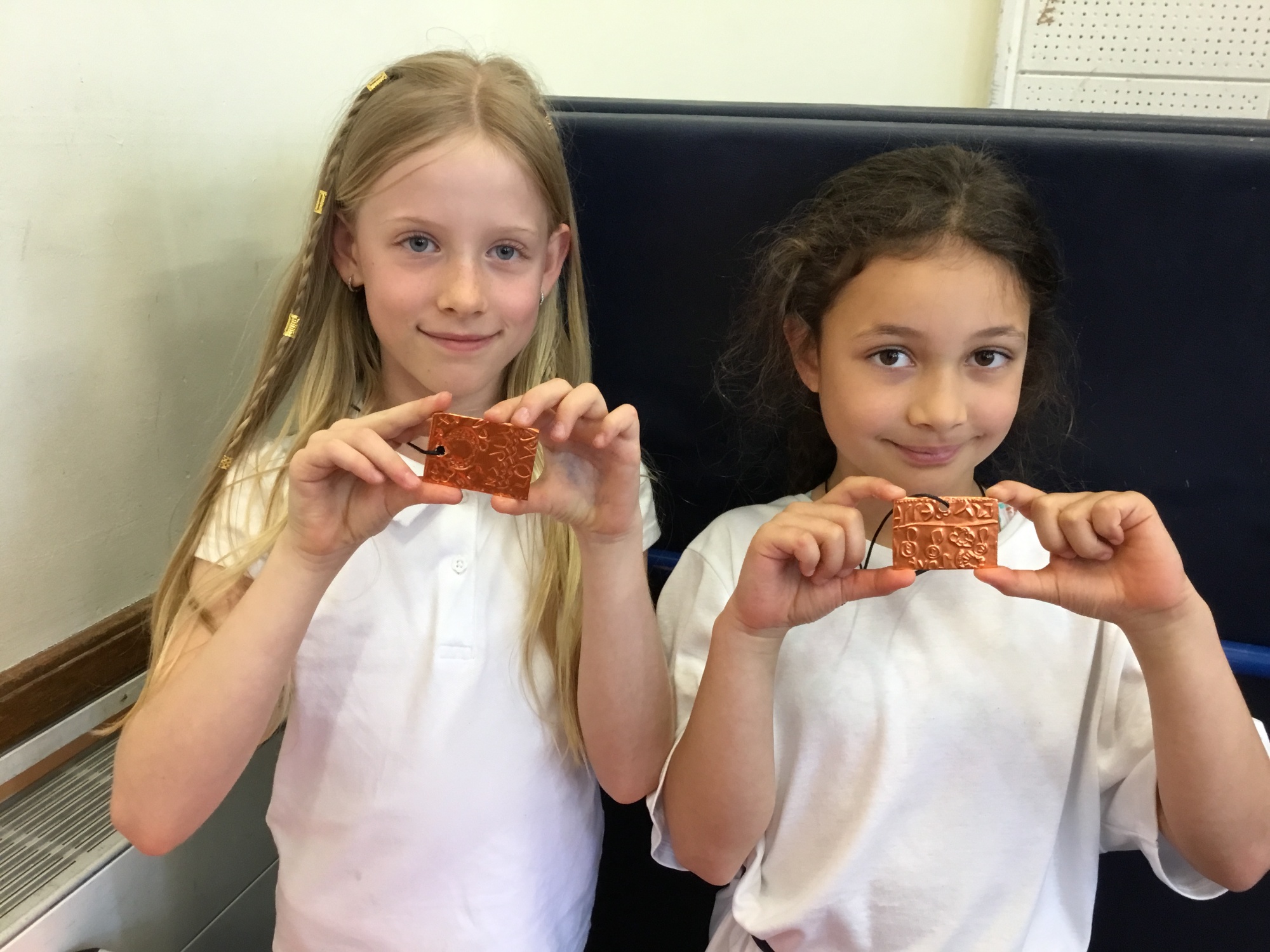
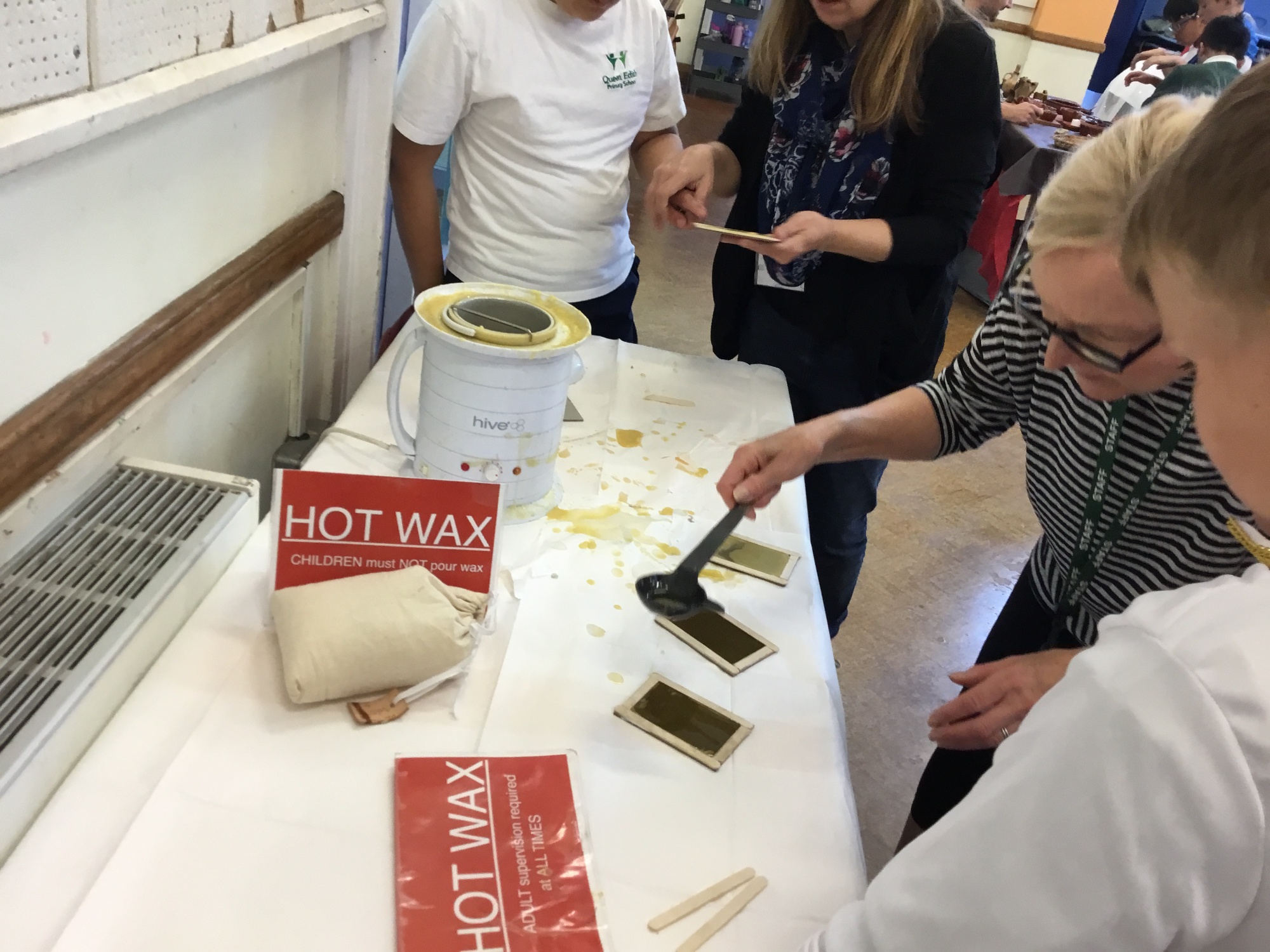
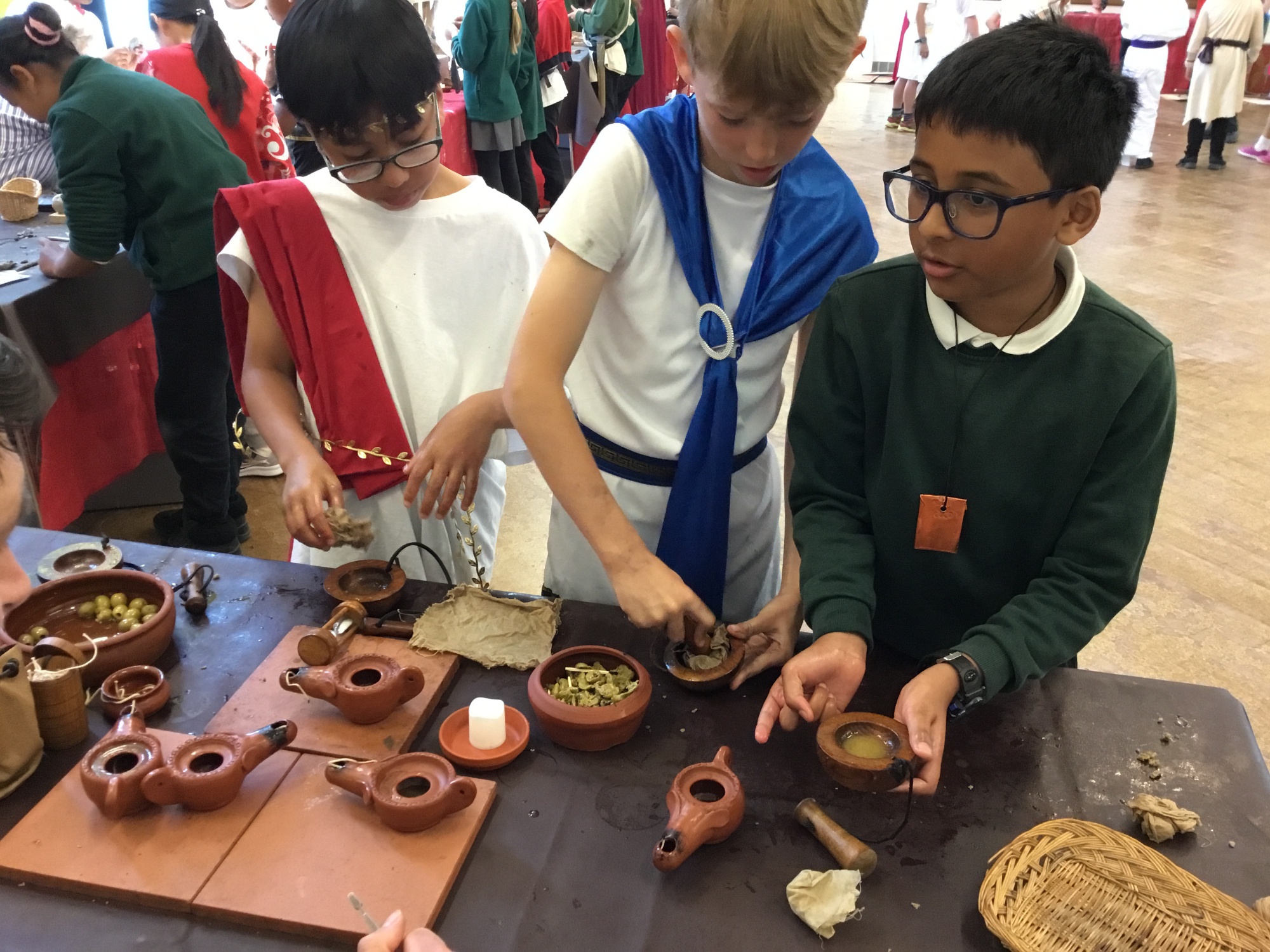
The children thoroughly enjoyed Roman Day. They were fully immersed in the Roman experience for a whole day. They were able to dress up and spend time creating Roman-themed tasks such as mosaic tiles, olive oil for oil burners, creating their own ink and more! Some of them even got a look into what it was like to train as a Roman soldier.
Cambridge Central Mosque
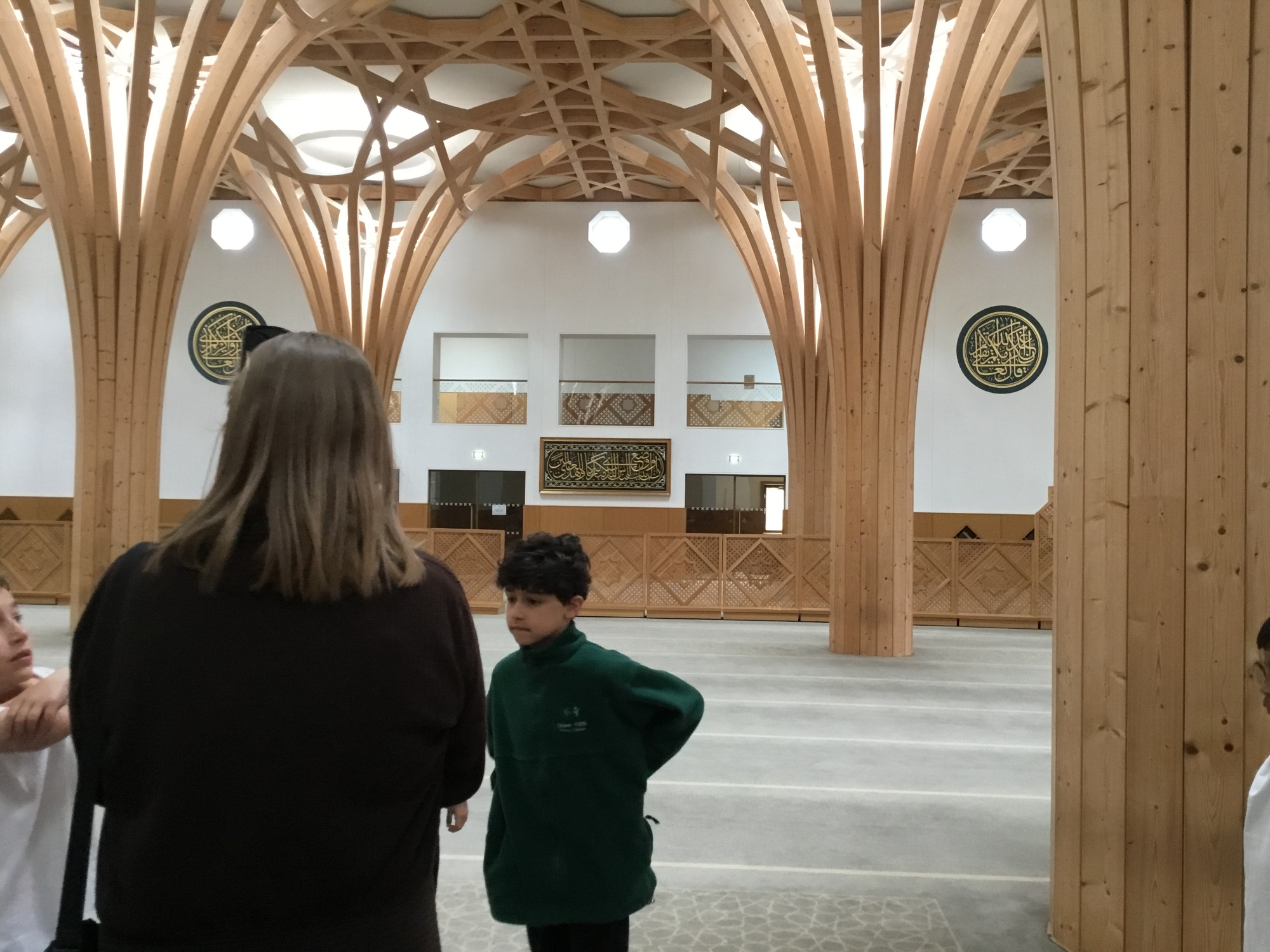
This half term, Year 4 visited the Cambridge Central Mosque. They were able to see how the architects of the Mosque have created the first 'British Mosque' by matching the outside architecture to the existing buildings on Mill Road, while retaining the key features of a Mosque that go back thousands of years, such as Arabic scripture and geometric pattern designs decorating the walls. The children learned all about how the Islamic Empire began and why it was so important - from the use of paper in the books in the House of Wisdom to the introduction of the number '0', to the great advances in medicine and science.
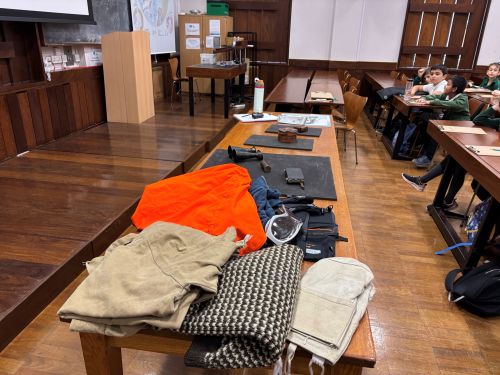
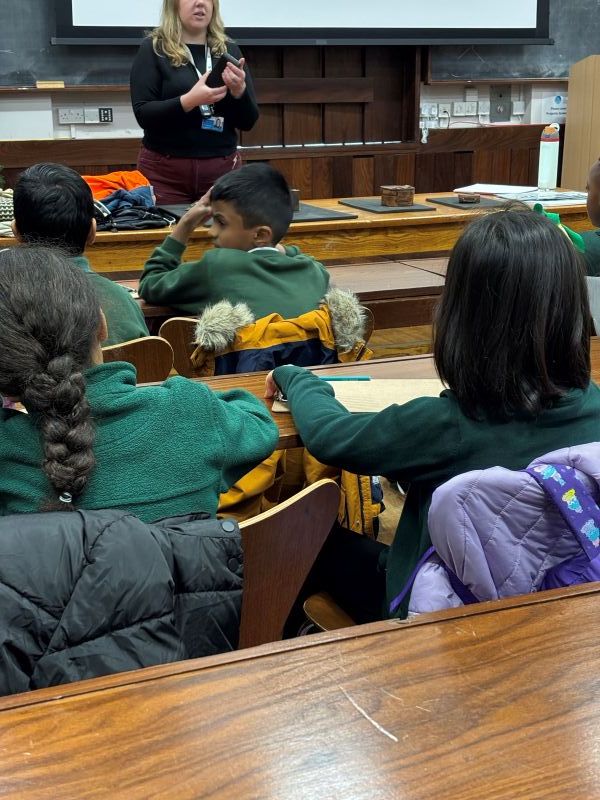
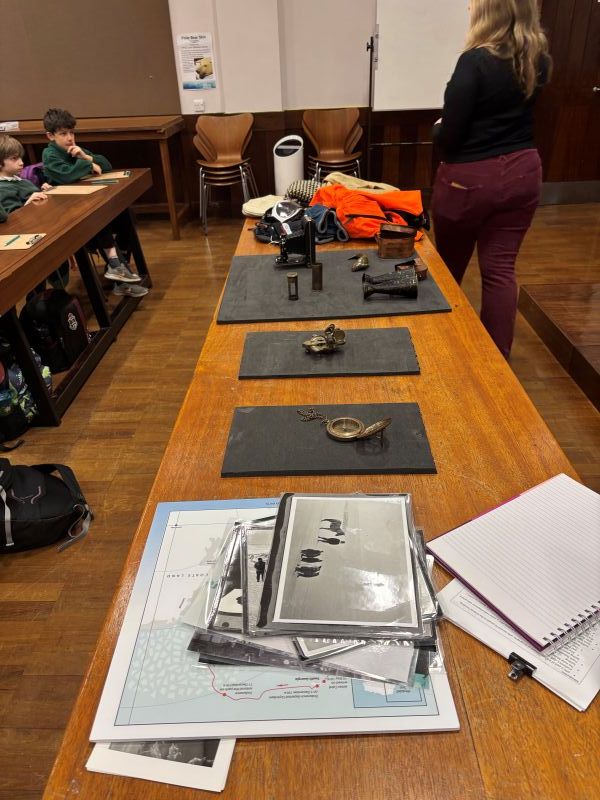
In Year 4, Children are able to visit the Scott Polar Museum, where they are able to see real artefacts from Polar expeditions completed by Ernest Shackleton and Robert Falcon Scott. This coincides with the children learning about the exciting 'Race to the Pole' between Scott's British expedition team and the Norwegian team led by Roald Amundsen.
Year 5
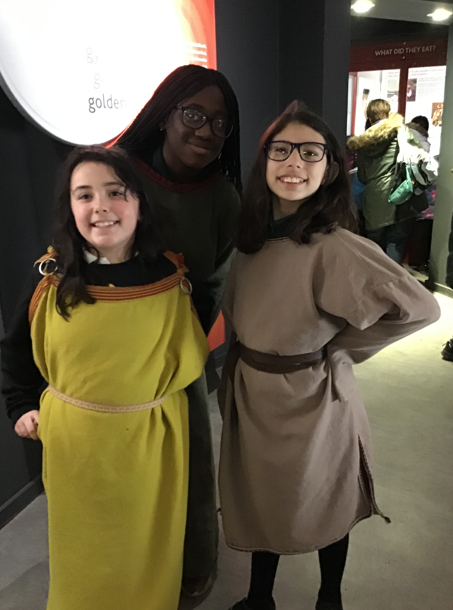
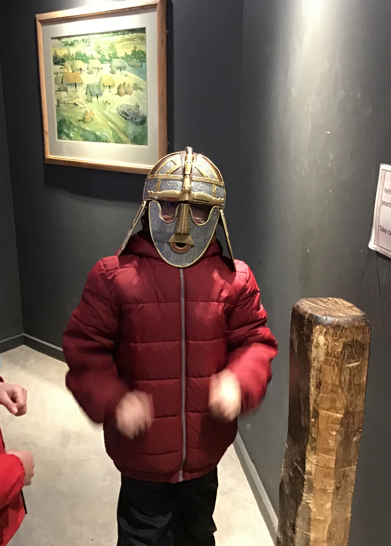
The Year 5 children went to West Stow, a replica of an Anglo-Saxon village, as part of their Ancient Britain topic.