Geography
Queens’ Federation: Geography Subject Statement
Intent
At the Queens’ Federation we aim to foster ‘Learning for Life.’
We will provide a rich, relevant and inspirational curriculum that promotes a lifelong love of learning and equips our pupils with the key knowledge and understanding, skills and personal qualities that they will need to thrive in a rapidly changing world. Our curriculum is designed to be relevant to our children and is linked to the context of our school and the local community.
At the Queens’ Federation, we aim to inspire pupil’s curiosity, interest and appreciation about the world and the people who live in it. We strive to provide pupils with a broad and balanced geography curriculum which develops their understanding of locational knowledge, place knowledge and human and physical geography. This is accompanied by the development and application of key skills, supported by fieldwork.
Implementation
Our geography curriculum is centered round the development of an understanding of the geographical area in which we live, including the schools grounds themselves. Pupils will learn about their immediate local area, the wider local community and where our community fits into Great Britain and the world beyond. The curriculum is designed to develop the key knowledge and skills to find out about diverse places, people, resources and natural and human environments, together with an understanding of the Earth’s key physical and human processes. Key geographical skills and knowledge are built upon year by year and are sequenced appropriately to maximize learning for all pupils.
Fieldwork, trips and visits are a key part of our geography curriculum. Our school environment and the local area is fully utilised within the curriculum and extensive opportunities for learning outside the classroom are embedded within units of work. The curriculum is enriched, wherever possible, through links to learning in other curriculum areas such as history, science and mathematics.
We view assessment as a holistic process, which takes place in every lesson through observation of, in questioning and in conversation with pupils and in the production of written outcomes. Geography assessment criteria set out the key knowledge and skills that a pupil should achieve at the end of each unit of work.
Impact
Our geography curriculum will inspire in pupils a curiosity and fascination about the world and its people which will remain with them for the rest of their lives, equipping them well for further education and beyond. As pupils progress throughout the school, they will develop a deep knowledge, understanding and appreciation of their local area and its place within the wider geographical context. Pupil outcomes evidence a broad and balanced geography curriculum and at the end of each year, pupils achieve age related expectations and retain the knowledge and skills learnt from each unit of work.
Yearly Overview
Below is a table of Geography topics for each year group by term:
Geography in the Foundation Stage
In the Early Years Foundation Stage, Geography is part of the Understanding the World area of learning and the aspect The Natural World, the children learn to make sense of their physical world and community. Their experiences help to increase their knowledge of the world around them.
Children in Nursery
- Learn there are different countries in the World and to talk about their differences through their own experiences and what they have seen in books and photos.
Children in Reception
- Learn to draw information from simple maps
- They explore the natural world around them
- They learn to recognise similarities and differences between life in the country they live and in other countries and to recognise that some environments are different from the one in which they live.
| Autumn | Spring | Summer | |
|---|---|---|---|
|
Year 1 |
|
Name and locate 4 countries of UK and capital cities |
Our local place. Case study Cherry Hinton Hall., Drawing Maps and Plans, Identifying Human and Physical Feature,The 5 oceans and the 7 continents |
|
Year 2
|
Our Local Area – map work and ariel photos |
Name, locate & identify characteristics of the 4 countries and capital cities of the UK and the surrounding seas. (zoom in or zoom out from High Street) Leading into creating maps from aerial photos. | Understand geographical similarities and differences through studying the human and physical geography of a small area in a contrasting non-European country – Sierra Leone study. Africa – locational geography. |
|
Year 3 |
A comparison of a European country with the UK. Human and physical features of Paris. |
Skara Brae – Prehistoric settlements |
Explore the city of Cambridge, the country we live in and the region of England we live in. Develop map reading skills and 8-point compasses.
|
|
Year 4 |
Locational knowledge, Human and physical Geography map work. Changes to landscapes globally and locally created by human and physical forces. Water cycle. Links to climate change. Effects on Polar Regions. | Understanding similarities and differences with North American region and East Anglia. | Weather, climates and biomes, compass direction, location and vegetation. Atlases and globes: locating different places. Tropics of Cancer and Capricorn in relation to the Equator. |
|
Year 5 |
Atlas work, Climate, Human Geography- tourism pros and cons (case study of Kenya) Eco-tourism, Sustainability |
Climate. Human Geography- tourism pros and cons (case study of Kenya). Physical geography. |
Physical geography, Mountain Ranges,Mountain formation, weather, glaciers. Rivers–main features, Water cycle, River sources, Tributaries, Floods and droughts. Use of water. |
|
Year 6 |
WW2:Countries involved, locate UK cities bombed and why, use atlases maps, how has land use changed over time. South America: Locate main countries, identify main environmental regions, key physical and human characteristics, major cities, understand similarities and differences through studying the human and physical geography, volcanoes and earthquakes. |
Fairtrade: Economic activity including trade links, use six figure grid references, symbols and key. |
Cambridge:Local study, Google Earth, maps, use fieldwork to observe, measure and record the human and physical features in the local area. |
Please take a look at some photos of the activities the different year groups have been completing this year:
Academic Year 2025-2026
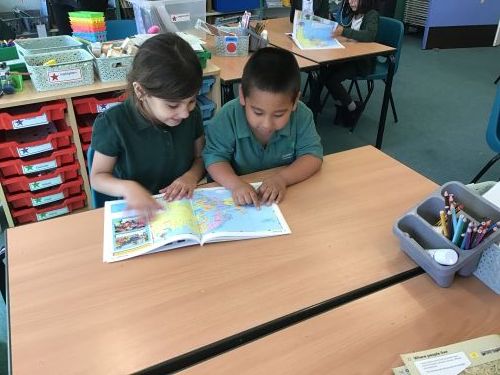
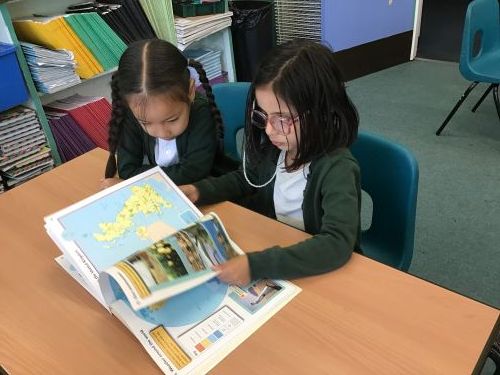
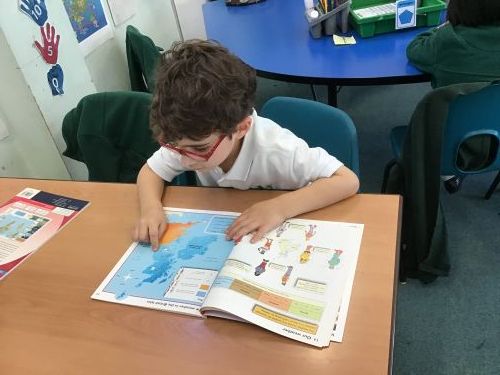
Year 2
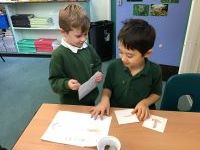
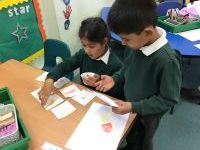
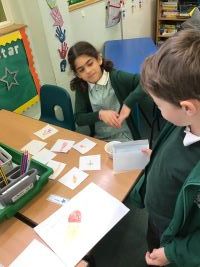
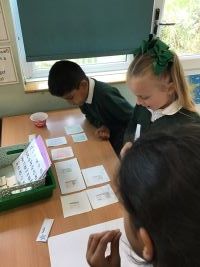
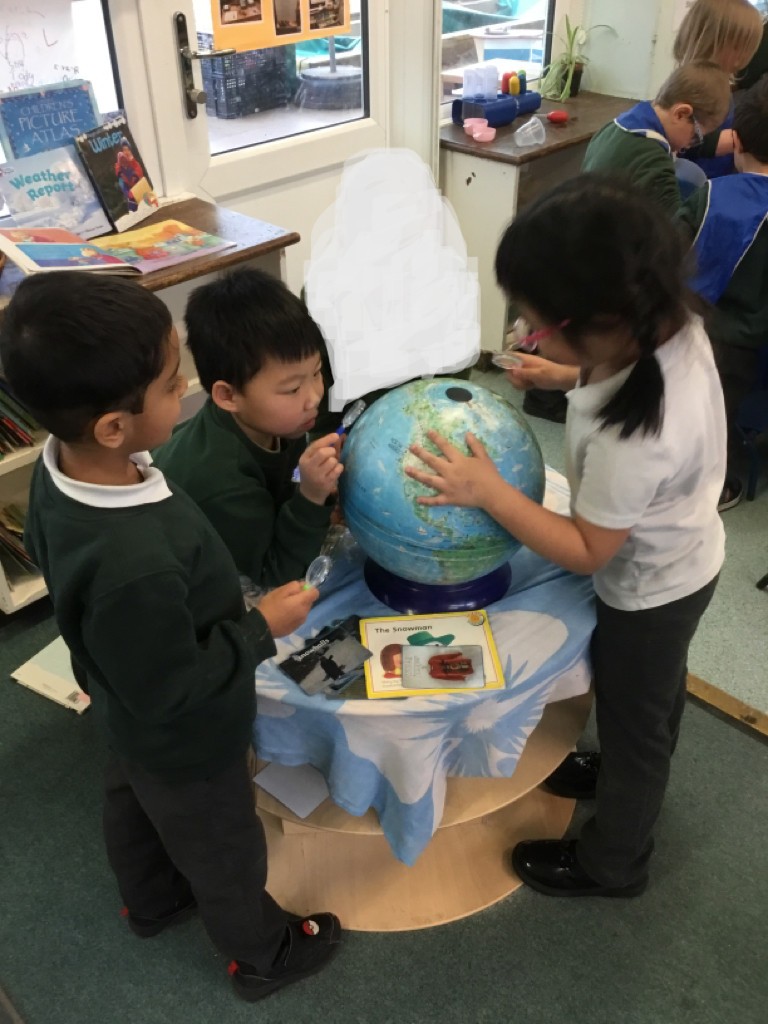
In Geography, the children looked at a range of maps, including world maps, atlases, road maps and Google maps. They learnt that maps can also be presented in 3D form, such as a globe.
Academic Year 2024-2025
Earth Day
On Thursday, 24th April, Queen`s Federation celebrated `Earth Day` across both schools.
Earth Day is a global event held every year, dedicated to celebrating Earth`s natural beauty and raising awareness about protecting our environment.
We all wore blue and green to symbolise planet Earth.
Thank you to everyone who made a donations we raised a wonderful £362.90 which will go towards our wildlife area
Nursery
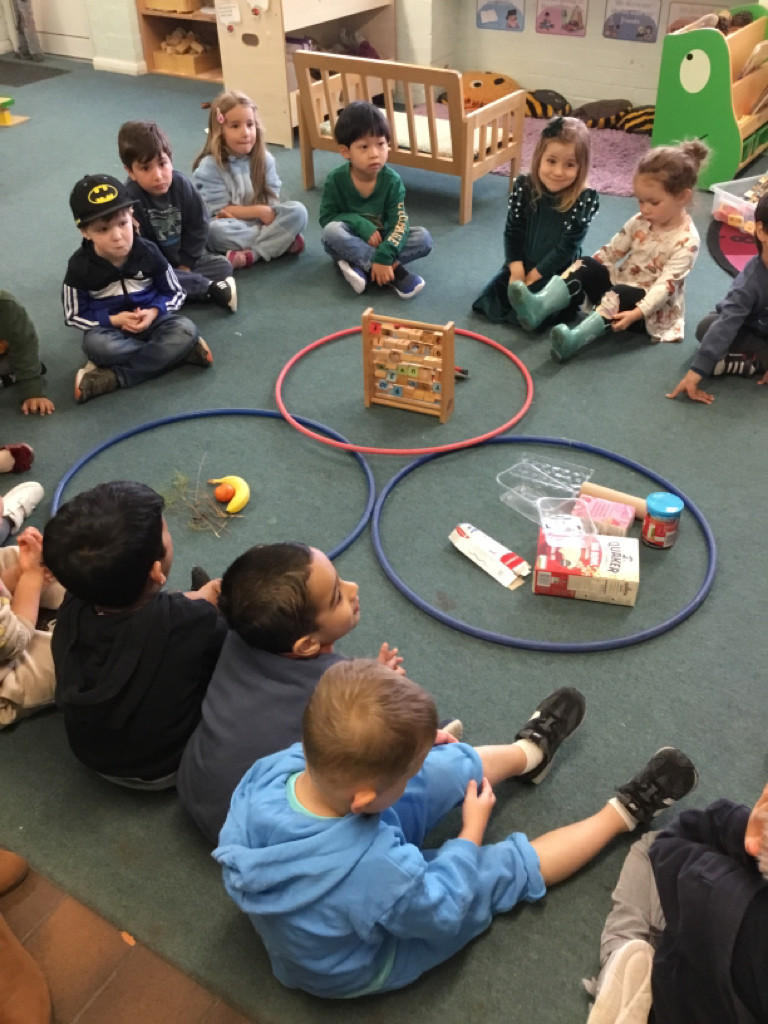
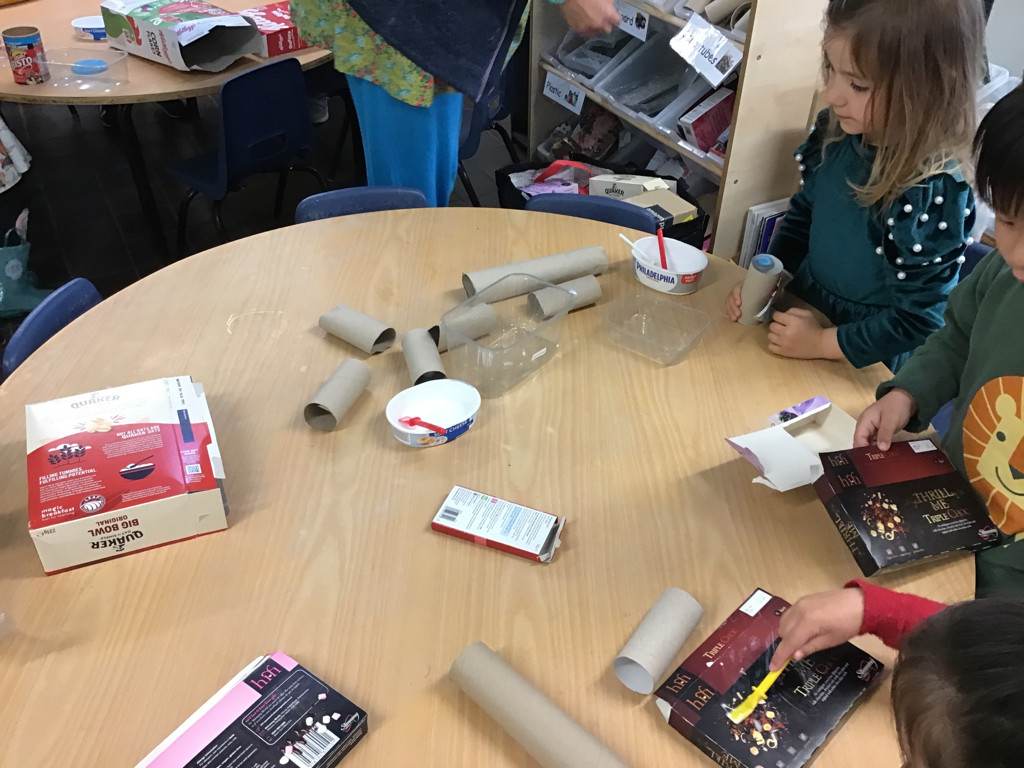
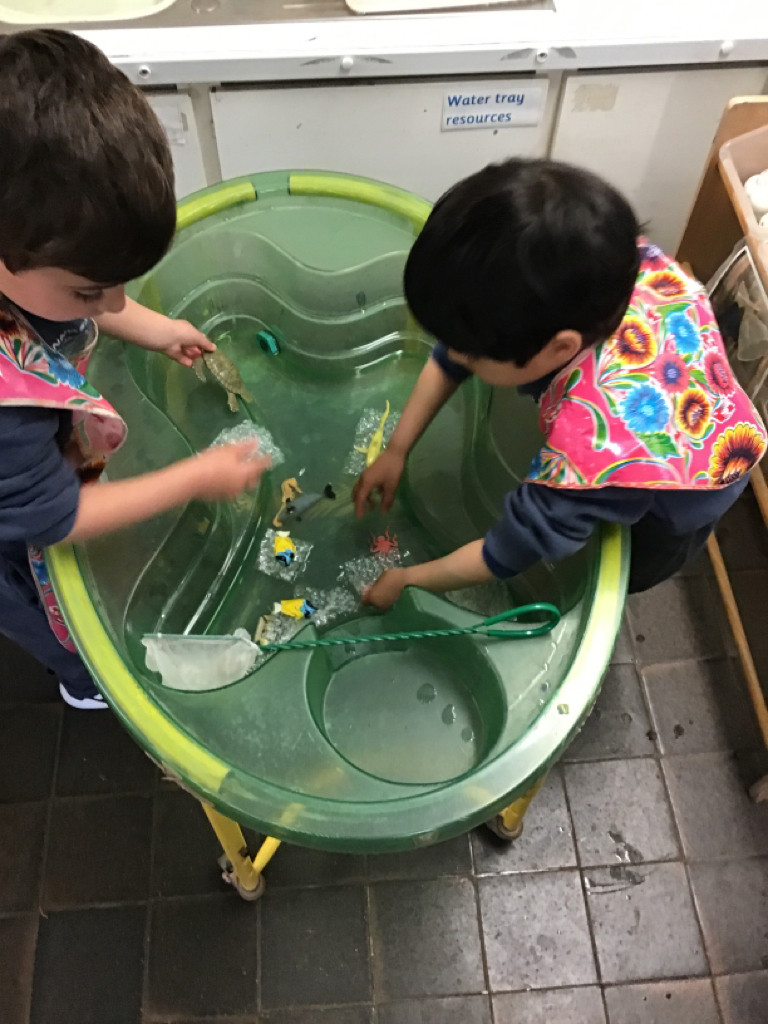
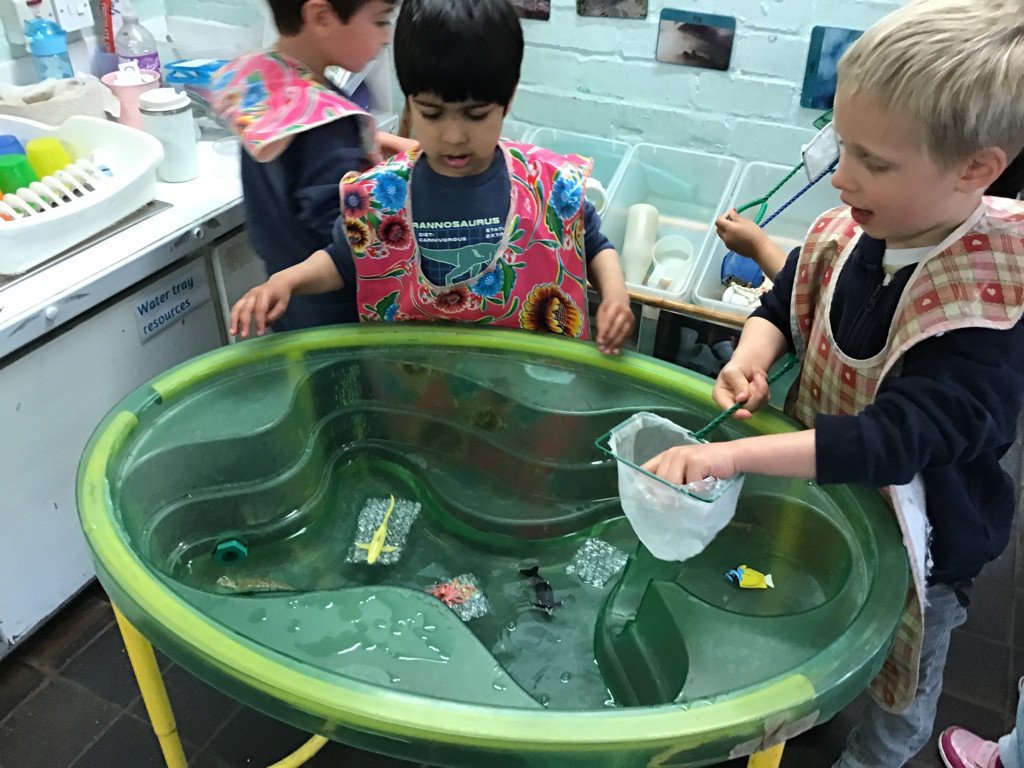
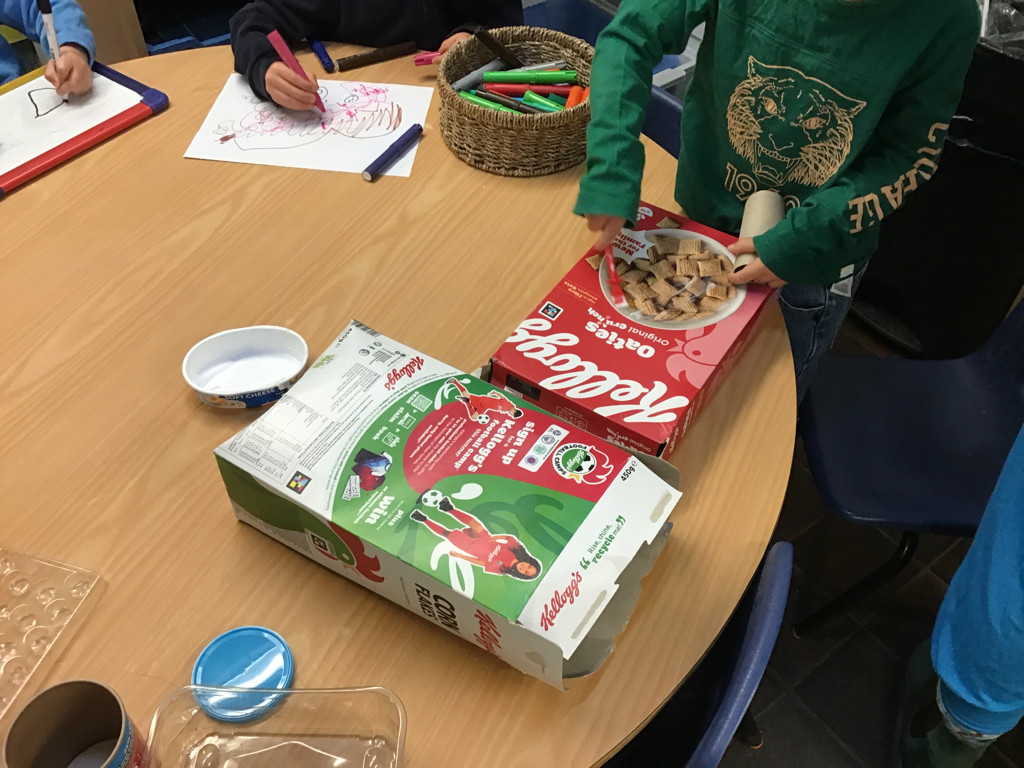
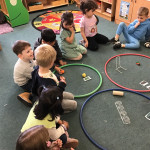
In Nursery the children sorted materials and ‘cleaned the oceans’ in the water tray.
Reception
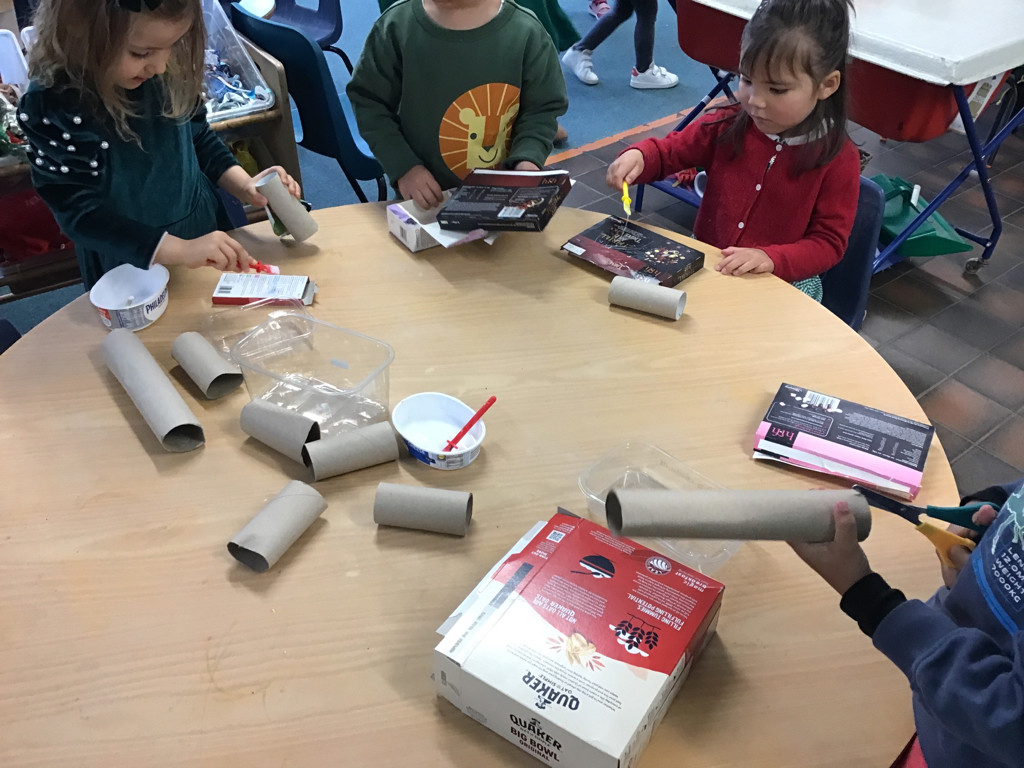
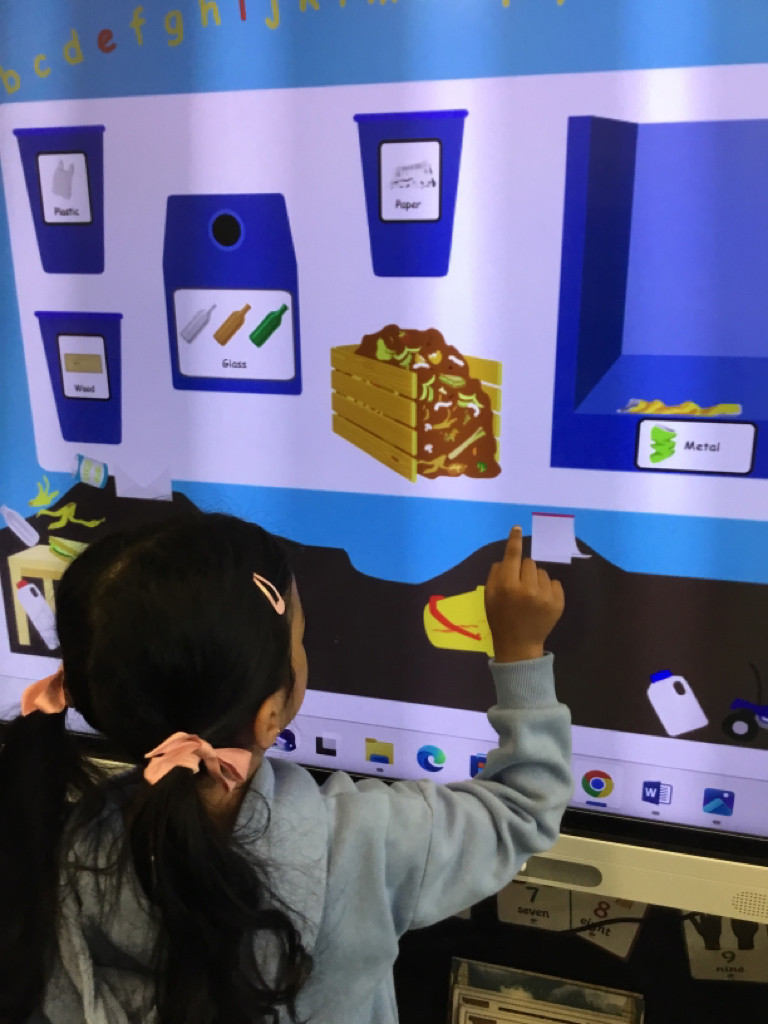
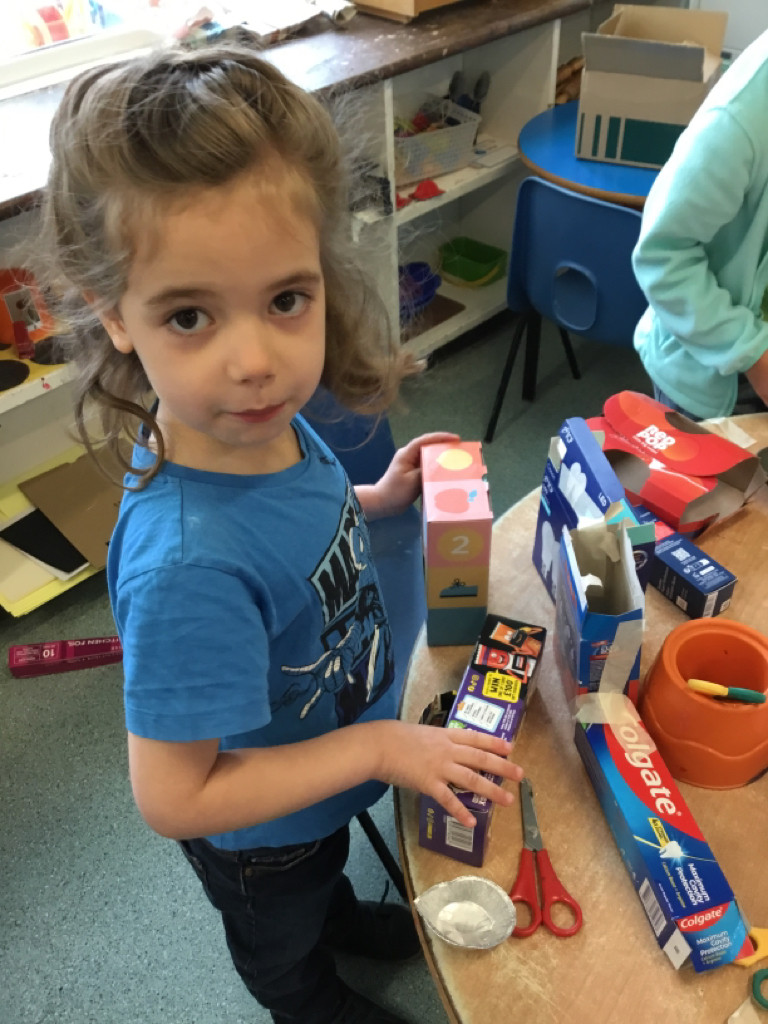
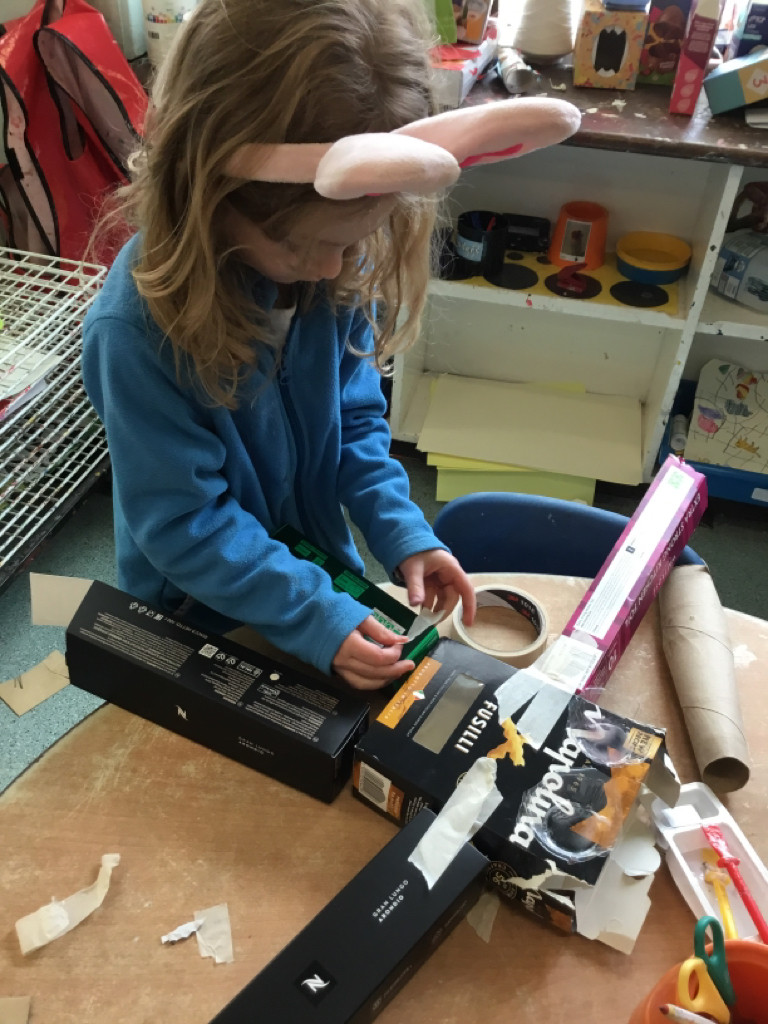
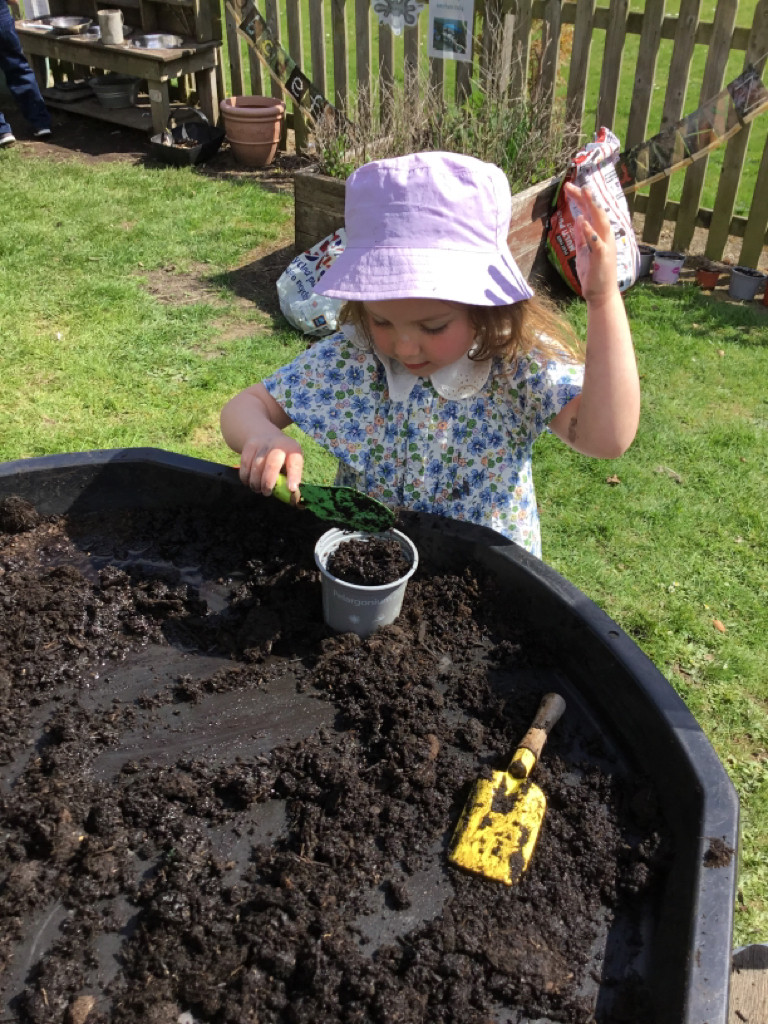
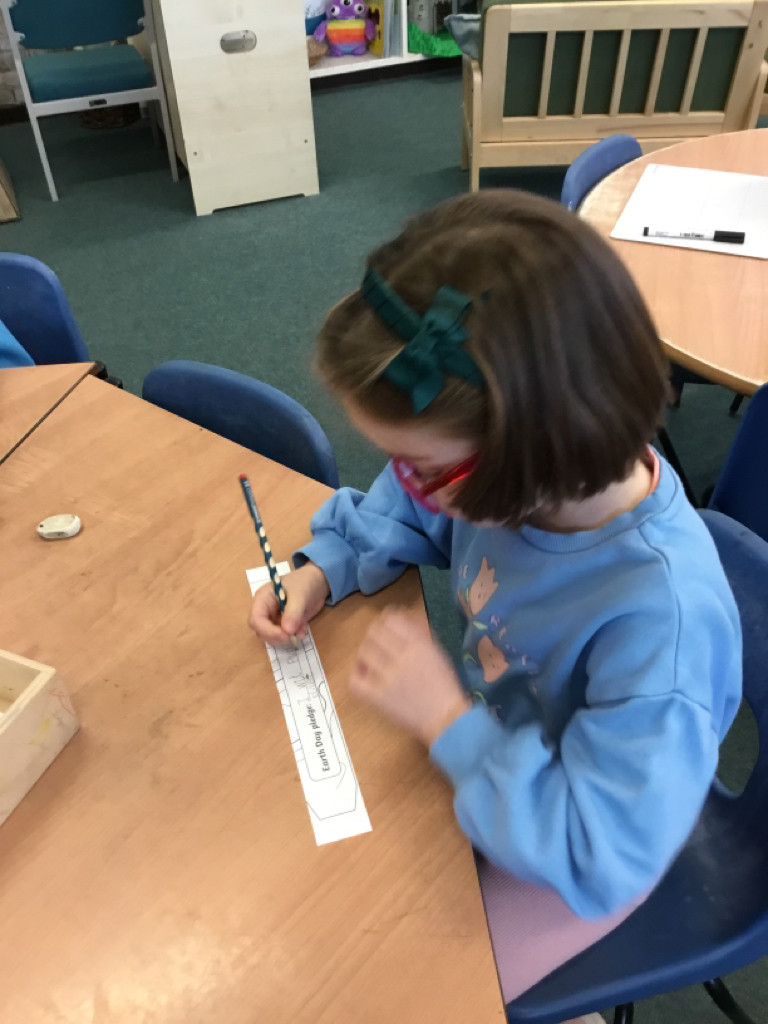
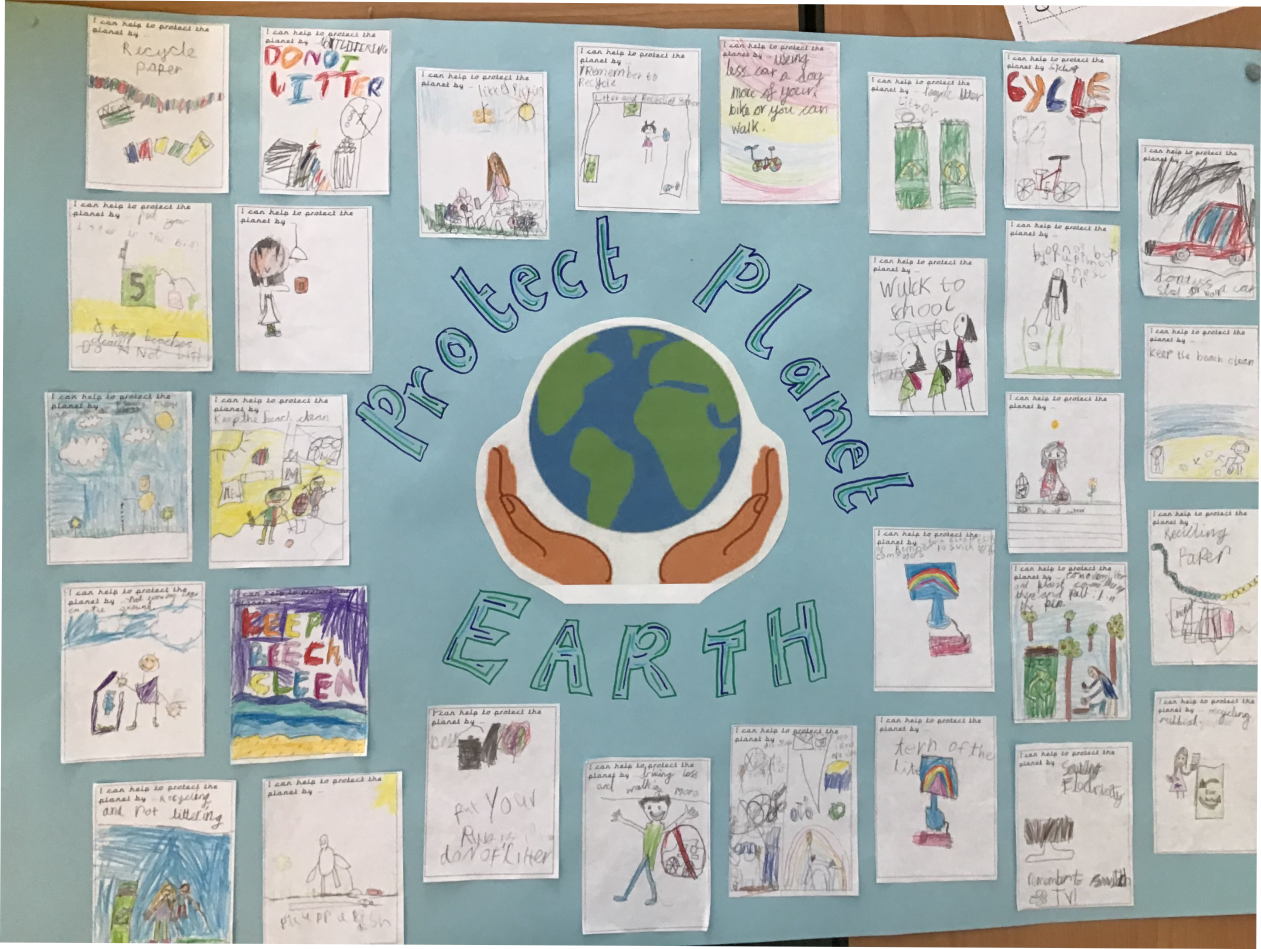
Reception children made junk model monsters wrote pledges of how we will look after planet Earth, played a Recycling game on Purple mash, planted sunflower seeds with a parent volunteer and listened to lots of stories about looking after our planet.
Year 1
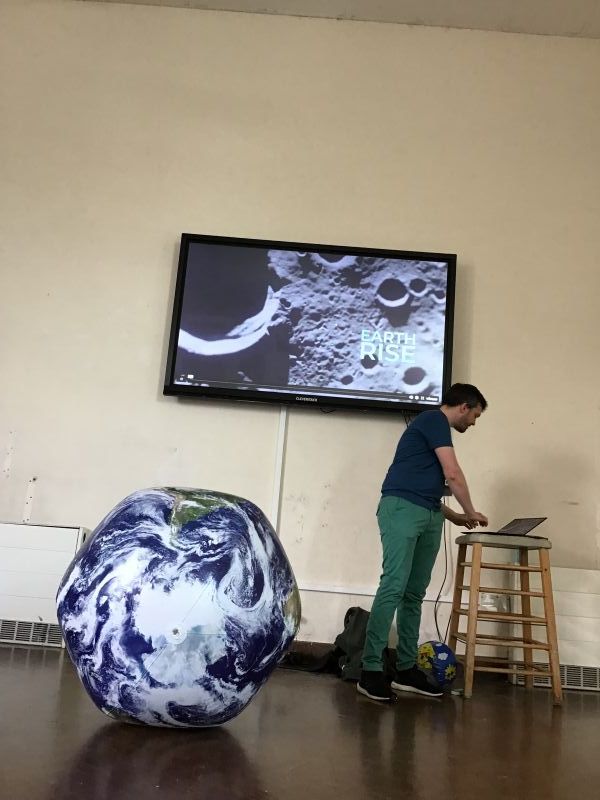
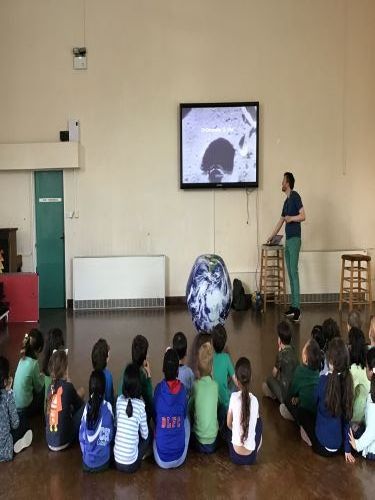
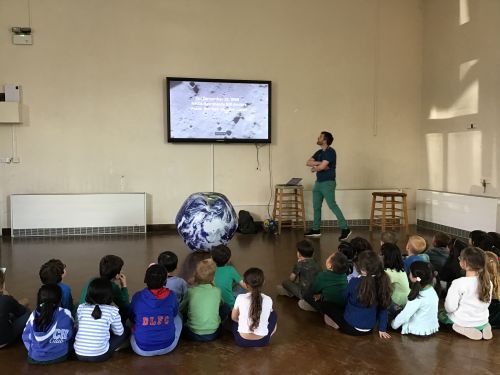
Year 1 had a visit Visit from an astrophysicist who brought a 1 metre inflatable planet earth!
Year 2
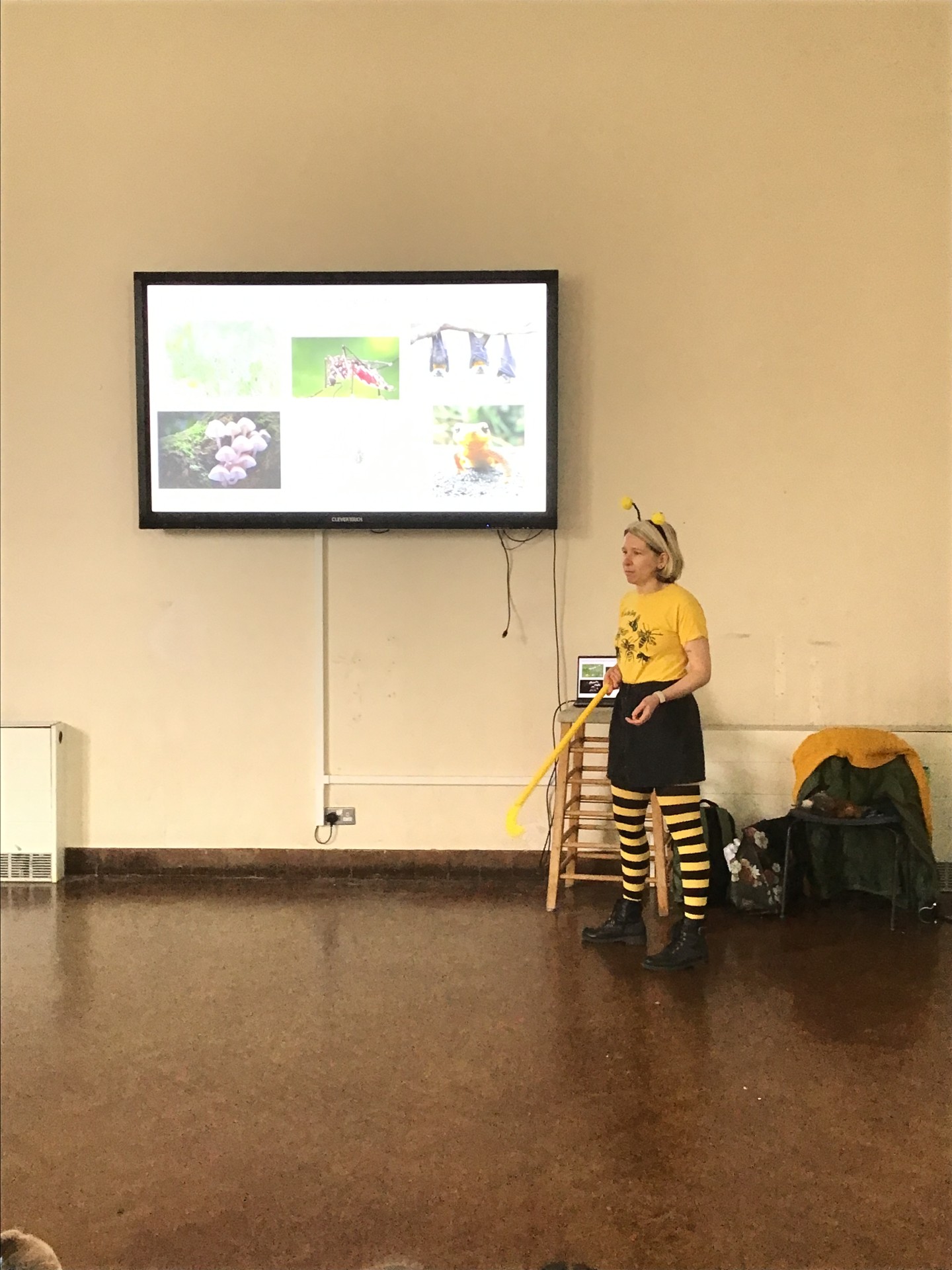
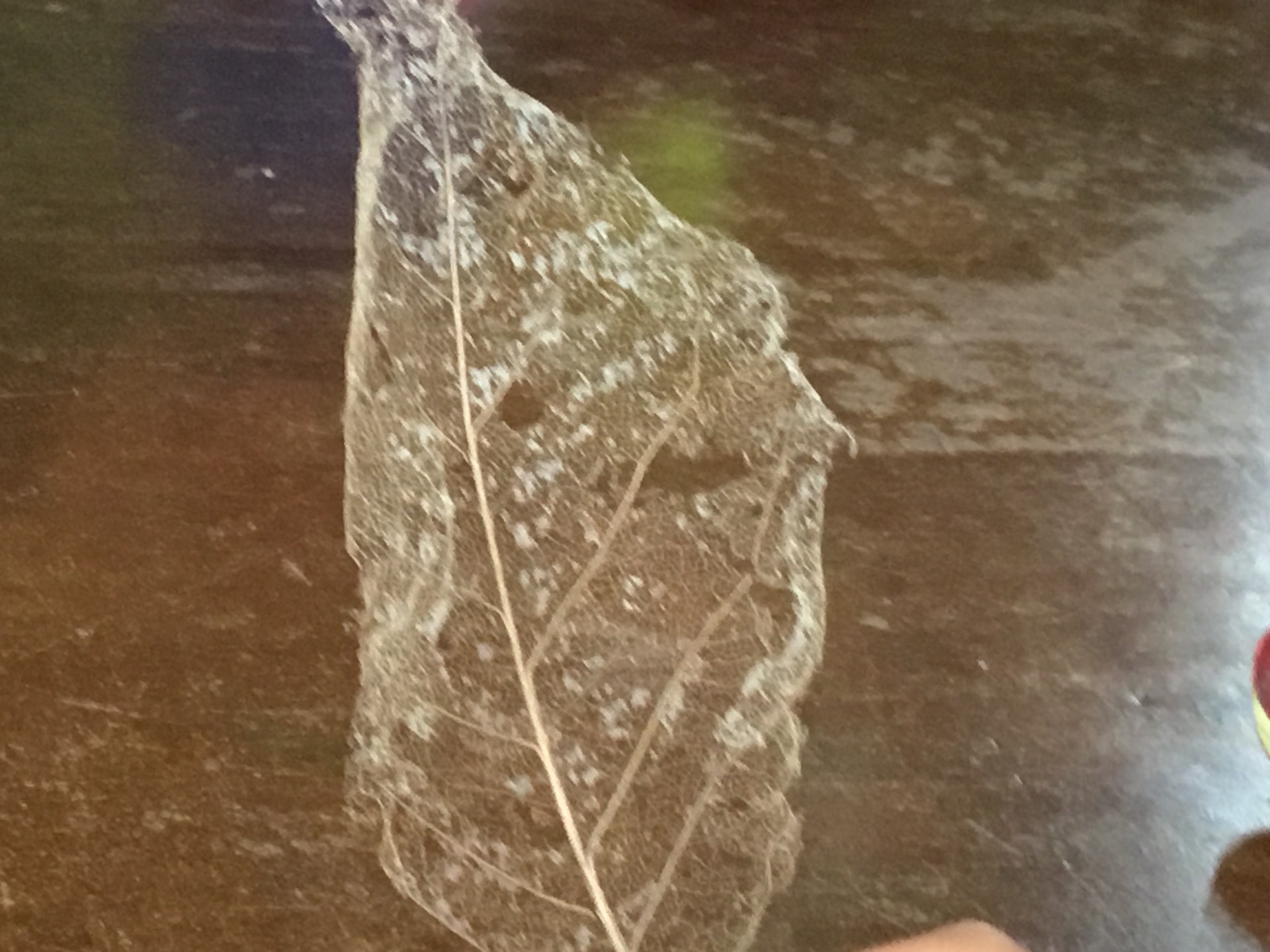
Year 2 and 4 had a special visitor who came dressed as a bee! They looked at a leaf skeleton and learnt how the leaf breaks down over time. The children discussed why the Earth is so important and ways that they can help be more sustainable. They enjoyed a quiz about identifying local insects.
Year 3
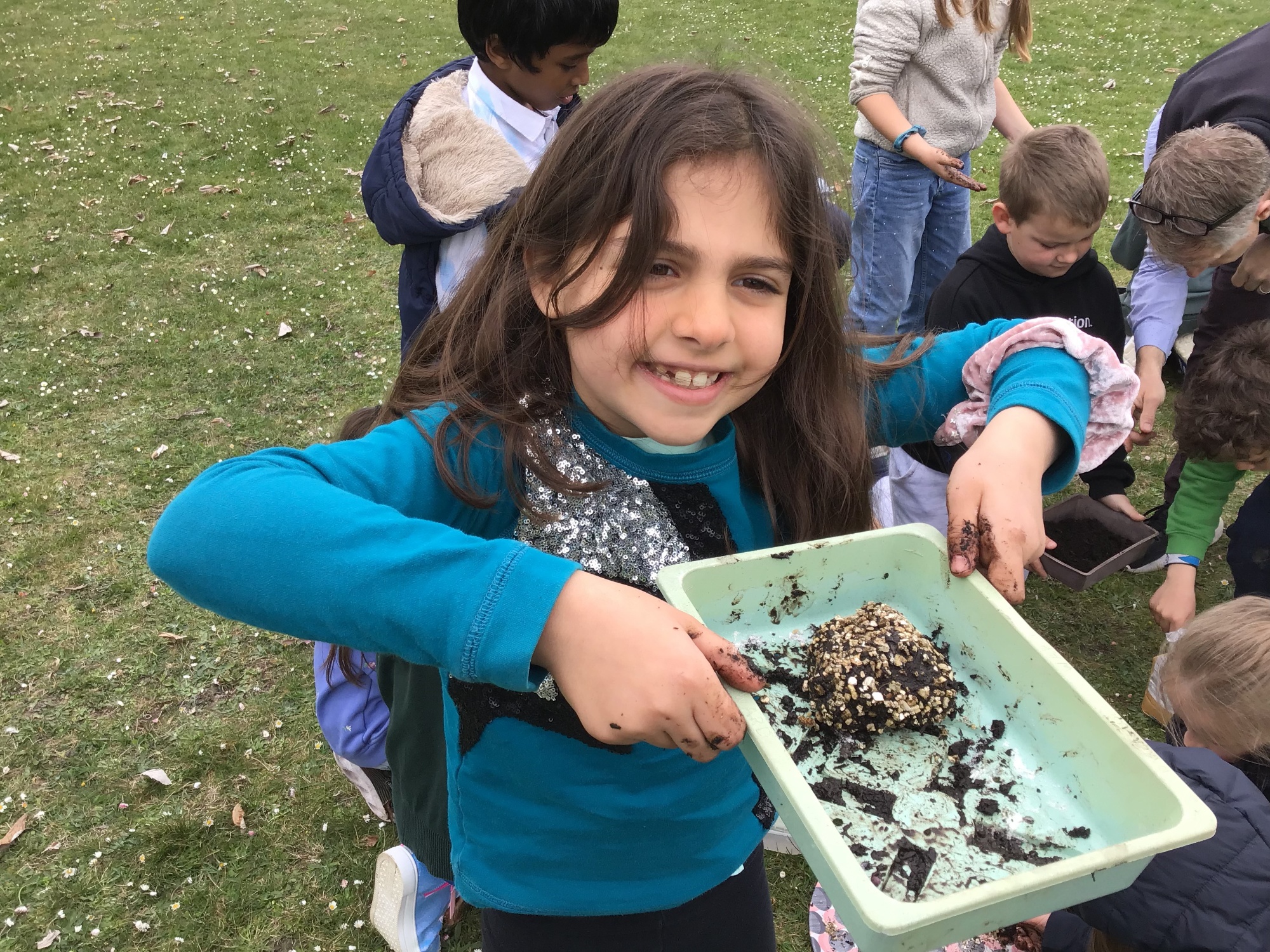
Year 3 had visitors that gave a special. Earth day presentation about humankind’s impact on our planet. Children did a quiz and got to make their own seed bombs to distribute around the local area!
Year 4
Year 2 and 4 had a special visitor who came dressed as a bee! They looked at a leaf skeleton and learnt how the leaf breaks down over time. The children discussed why the Earth is so important and ways that they can help be more sustainable. They enjoyed a quiz about identifying local insects.
Year 5 and 6
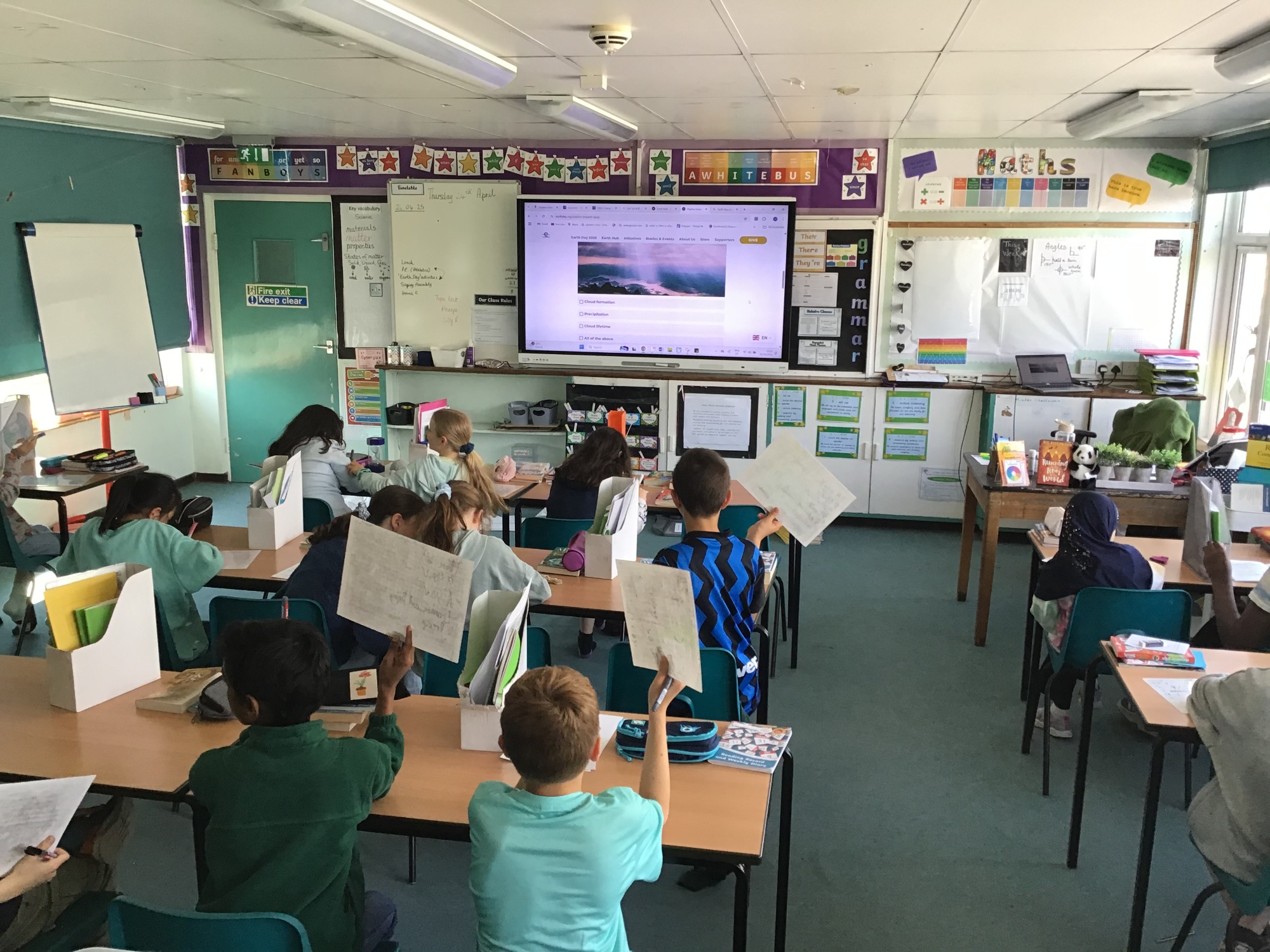
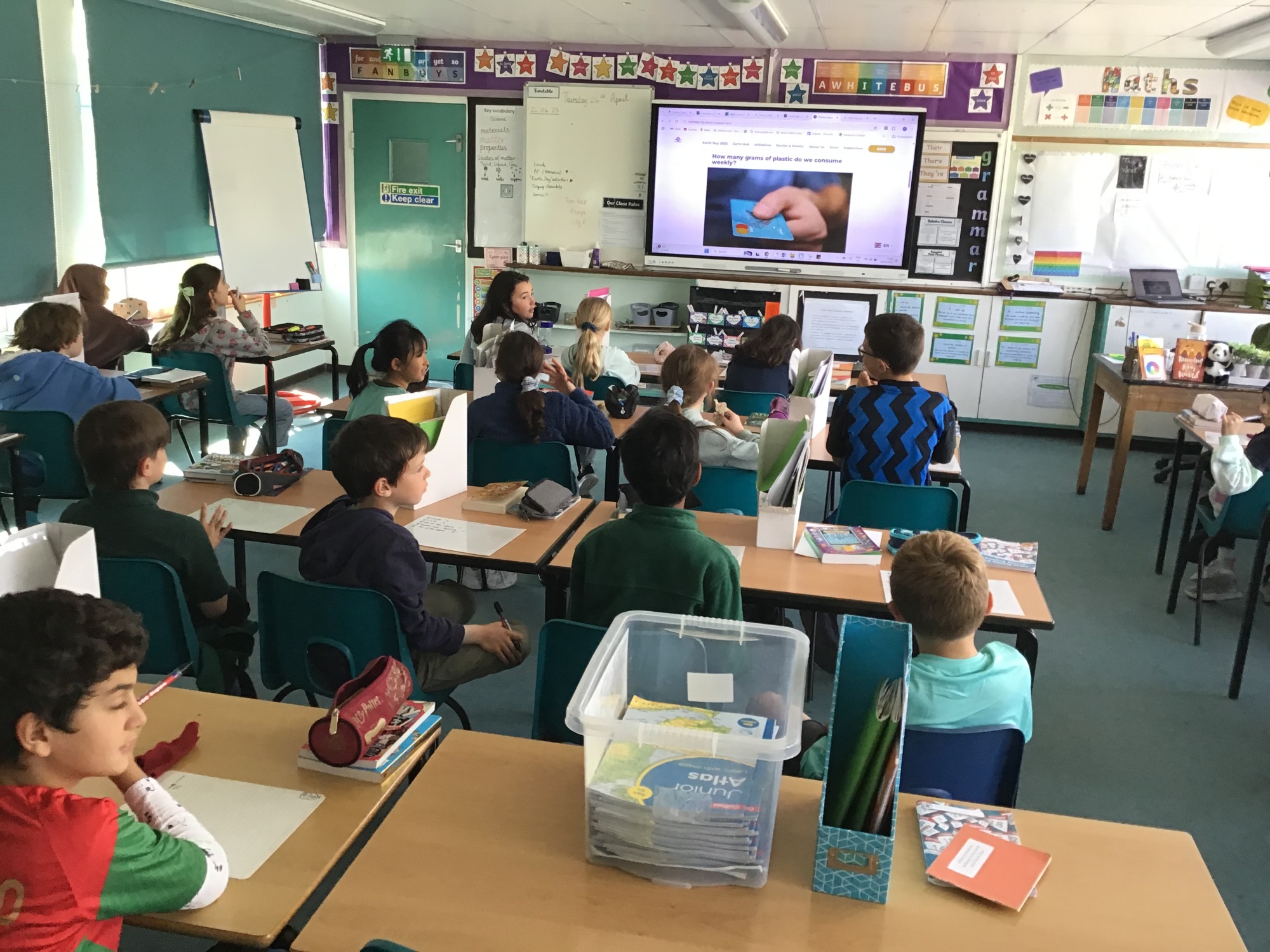
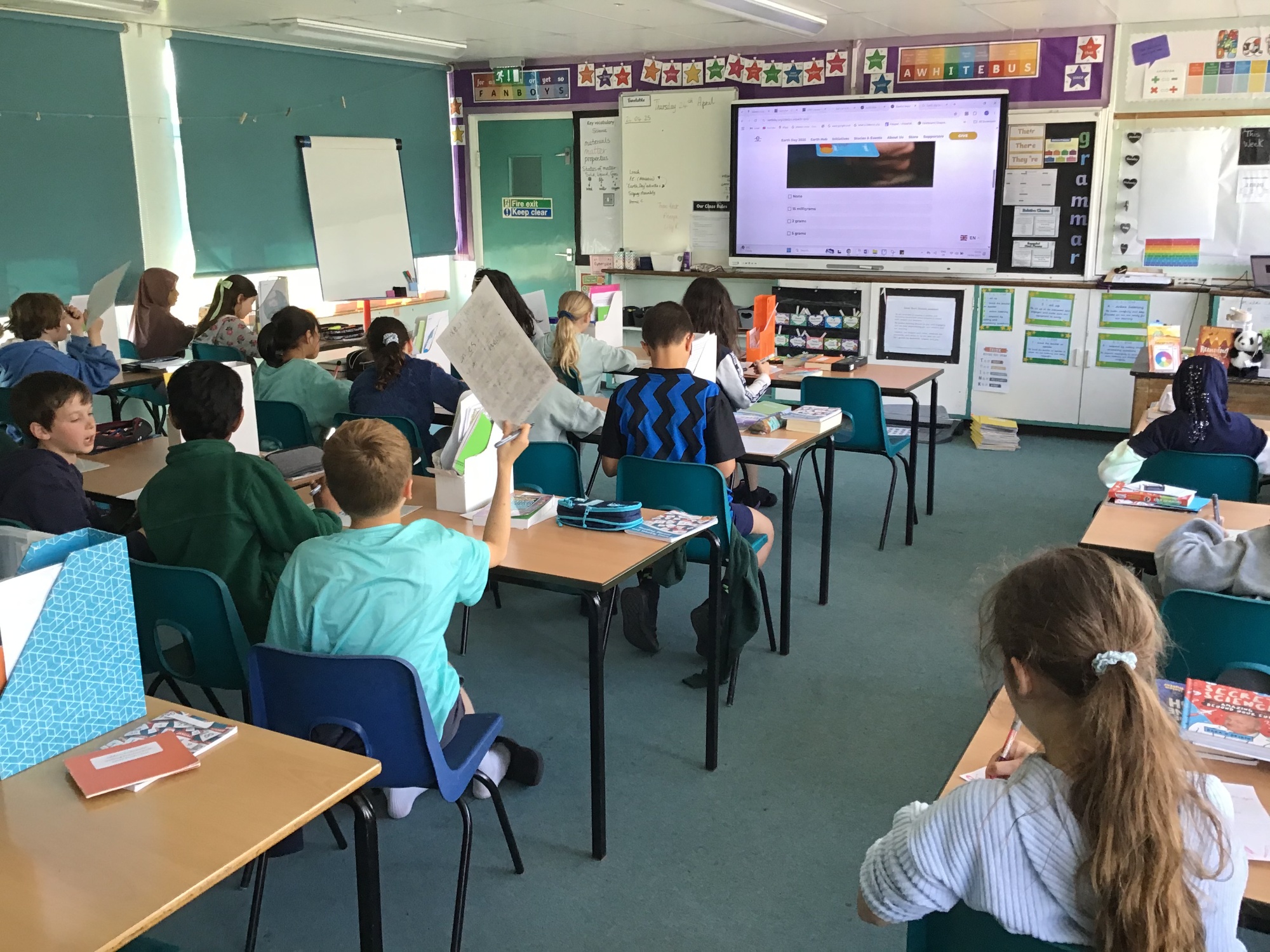
Year 5 and 6 wrote their own pledges about what they can do every day to help look after and protect our planet. They also created thought provoking acrostic poems.
2024-2025
Reception
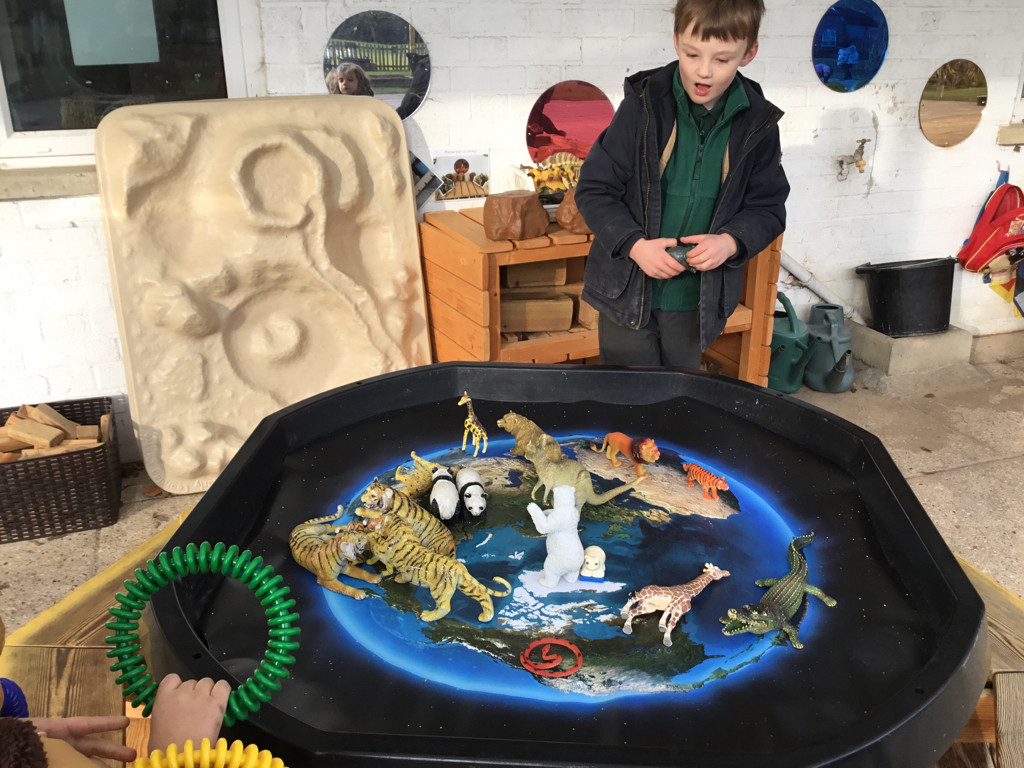
As part of our Snow Queen theme, children have been learning all about Polar regions and the animals that live there.
Reception children have been enjoying some new resources, inspiring play about where in the world different animals live.
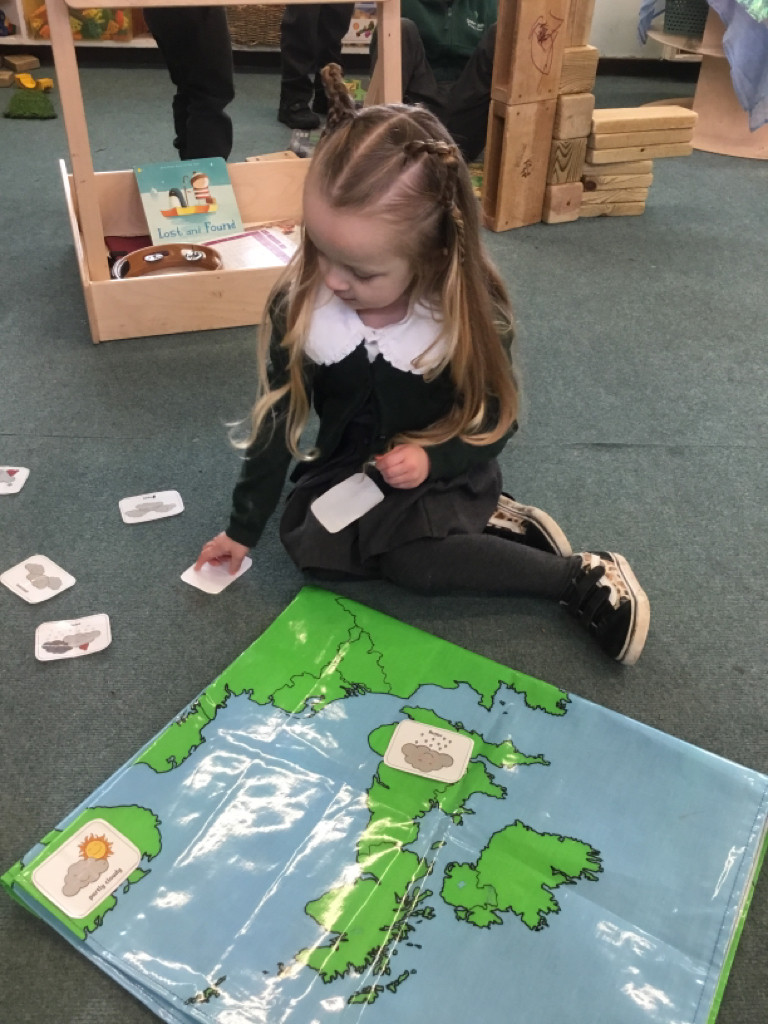
Reception have been learning all about the weather. We have pretended to be weather forecasters, telling everyone what the weather will be like in different parts of the UK!
Year 1
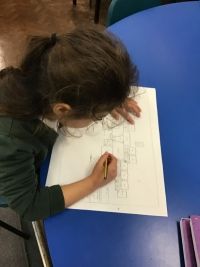
In Year 1 we have been learning about maps and have had a go at plotting all the different classrooms onto a map of Queen Edith. We then went on a hunt around the school with our maps to check our work.
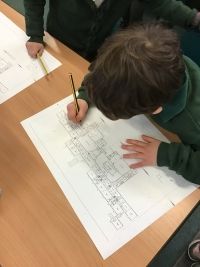
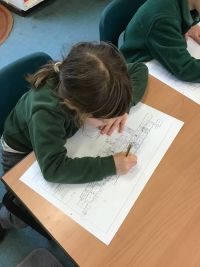
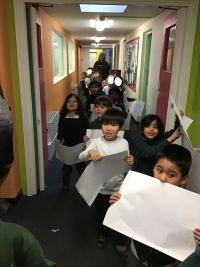
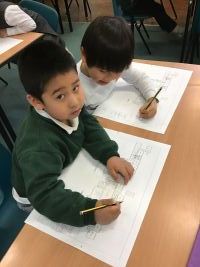
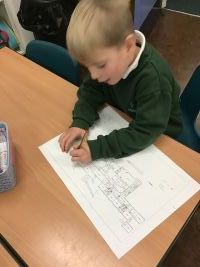
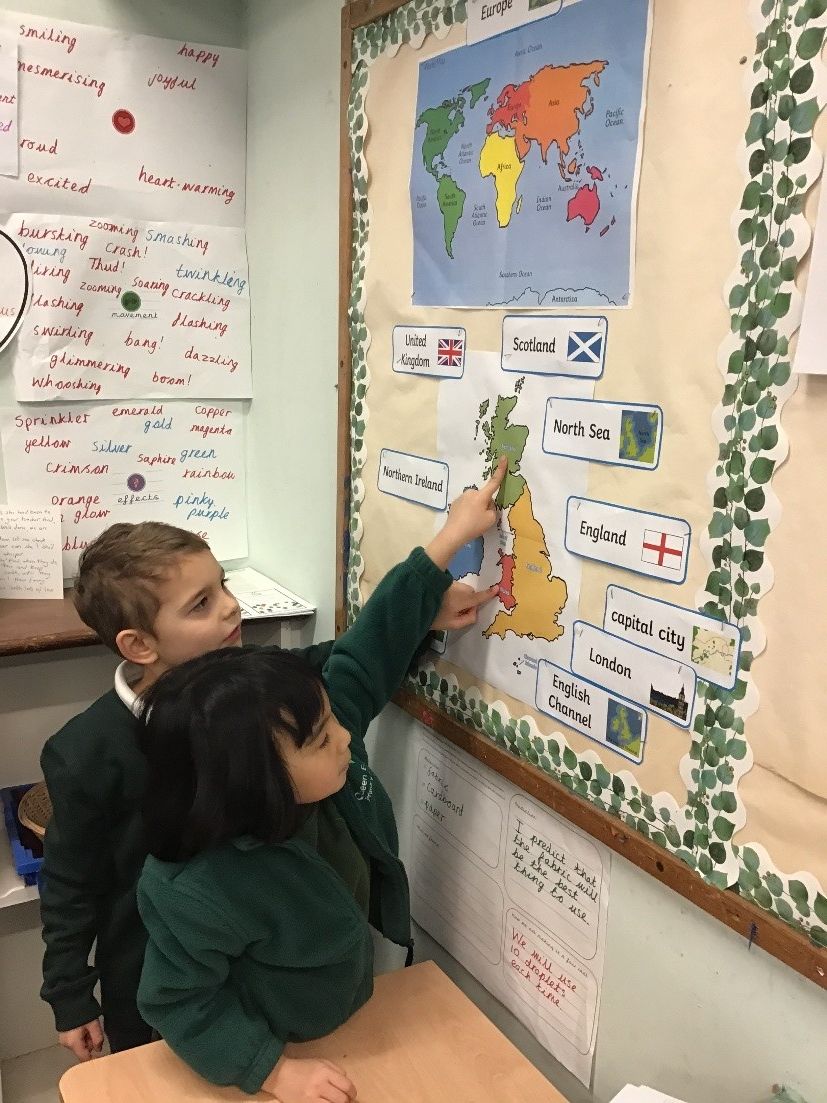
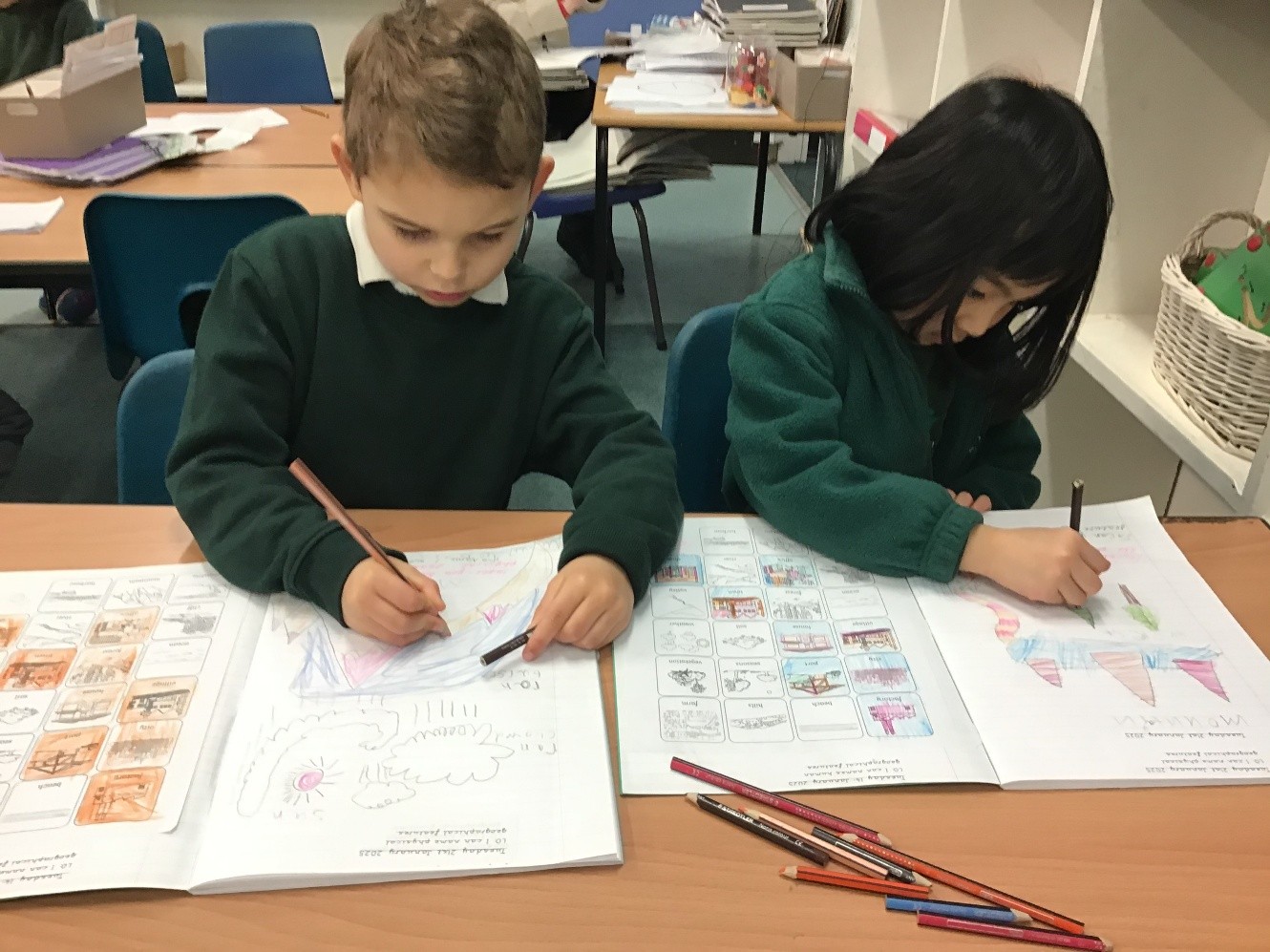
In Year One in Geography this term, we have been learning about enjoying learning about the United Kingdom and many other countries around the world. WE have looked at a map of the United Kingdom and learned about Capital cities. Also, we have been learning about the human and physical features in our environment.
Year 4
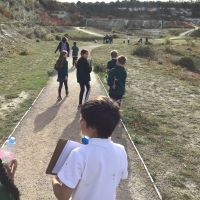
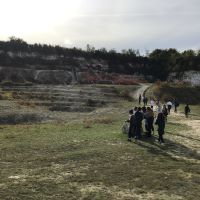
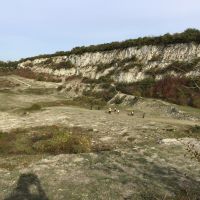
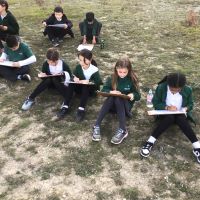
In the Autumn term, Year 4 visited the Chalk Pits in Cherry Hinton to observe the changes that have happened over time. We explored why the Chalk Pits were used and we found out they were a quarry to extract chalk. This was then used to build some of the Cambridge Colleges!
Year 2
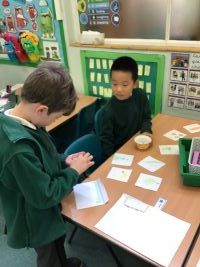
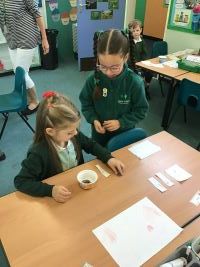
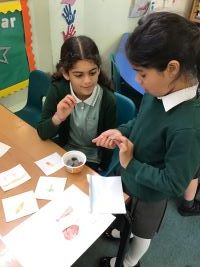
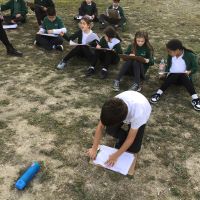
In Geography, the children explored the high street, discovering different shops and what they sell. They created their own shops and took turns as shoppers and shopkeepers, promoting cross-curricular learning in maths and English through engaging role play.